How to Design a Luxury Entryway: First Impressions, Storage, and Style
An entryway is the first area people experience when they enter a home. It introduces the character of the interior, provides a place for everyday essentials, and helps create a smooth transition between the outdoors and the living spaces beyond.
A luxury entryway does not need to be large or filled with expensive accessories. Thoughtful lighting, suitable storage, well-chosen materials, and a clear layout can make even a compact entrance feel welcoming and refined.
The most successful entryways balance appearance with function. They provide room to enter comfortably, store frequently used items, and move into the rest of the home without obstacles.
In this guide, you will learn how to design a luxury entryway, select furniture and lighting, organize everyday essentials, and avoid common decorating mistakes.
1. Start With the Space You Have
Before selecting furniture or finishes, assess the dimensions and layout of your entryway.
Measure the width and length of the space, note the position of doors, and check whether nearby doors swing into the area. Identify any existing storage, electrical outlets, windows, or architectural features that will influence your design.
A spacious foyer may accommodate a console table, artwork, and a seating area. A narrow entrance may work better with a shallow wall-mounted shelf, a mirror, and discreet hooks.
Keep the main walking route clear. Furniture should not make it difficult to open the front door, remove shoes, or move larger items through the entrance.
Practical tip: Use painter’s tape on the floor to mark the approximate footprint of proposed furniture. This simple step helps you judge circulation before purchasing anything.
2. Choose a Clear Design Direction
The entryway should feel connected to the rest of the home rather than like a separate decorating project.
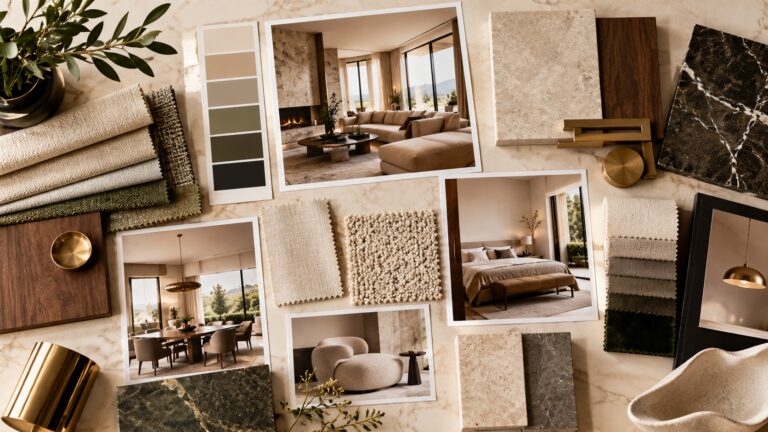
Consider the materials, colors, and architectural details used in nearby rooms. Repeating one or two elements can create continuity without making every space identical.
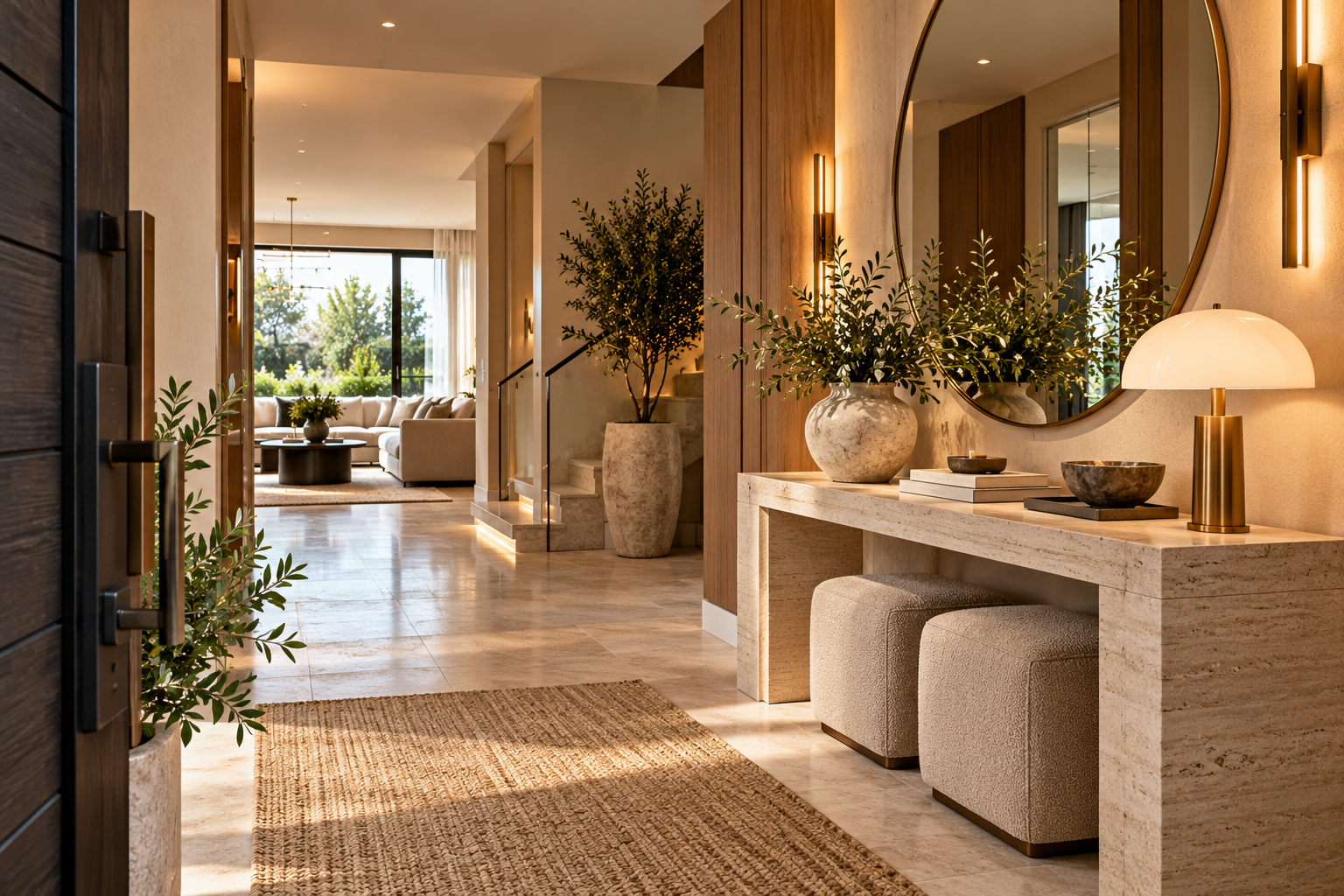
For example, an understated contemporary home might use warm oak, creamy walls, dark bronze hardware, and textured stone. A more traditional interior could combine painted joinery, a timber console, framed artwork, and warm metal details.
Choose a direction that reflects the architecture and your preferences. A consistent palette is generally more effective than combining several unrelated styles in a small area.
3. Select the Right Console or Entryway Table
A console table can provide a useful landing place for keys, mail, a small lamp, or a decorative object. It can also establish a focal point near the entrance.
Its dimensions should suit the available wall and circulation space. A deep table may obstruct movement in a narrow hallway, while a very small table can look lost against a large wall.
Consider the table’s height, width, depth, construction, and storage options. Drawers can conceal small everyday items, while an open shelf may be useful for baskets or selected objects.
Materials such as wood, stone, metal, or glass can work well, but the choice should relate to the home’s existing finishes.
Avoid filling the tabletop with too many accessories. A lamp or sculptural vase, a small tray, and one additional object may be enough to create a considered arrangement.
4. Use Mirrors Thoughtfully
A mirror can be practical near an entrance and can make the area feel brighter when it reflects daylight or a pleasant view.
Choose its size and placement according to the wall, console, and surrounding architecture. A large mirror can create a strong focal point, while a smaller framed mirror may suit a compact entrance.
Pay attention to what the mirror reflects. A view of a window, artwork, or attractive interior feature can add visual depth. Reflecting a cluttered corner may have the opposite effect.
Secure heavy mirrors with suitable fixings for the wall type. In busy entrances, make sure the mirror does not interfere with doors or narrow walking routes.
5. Plan Entryway Lighting in Layers
Lighting affects both the usefulness and atmosphere of an entrance.
A ceiling fixture can provide general illumination. Wall lights or a table lamp can add softer light, while discreet accent lighting may highlight artwork or architectural details.
The fixture should suit the scale and ceiling height. An oversized pendant may be striking in a tall foyer but impractical in a low-ceiling hallway.
Consider how the entrance looks during daylight and after dark. If there is little natural light, a combination of ambient and supplementary lighting can help the space feel more welcoming.
Choose appropriate fixtures and have electrical work completed safely by a qualified professional when necessary.
6. Choose Durable, Easy-to-Maintain Materials
Entryways experience more dirt, moisture, and wear than many other areas of a home. Materials should therefore be selected for both appearance and performance.
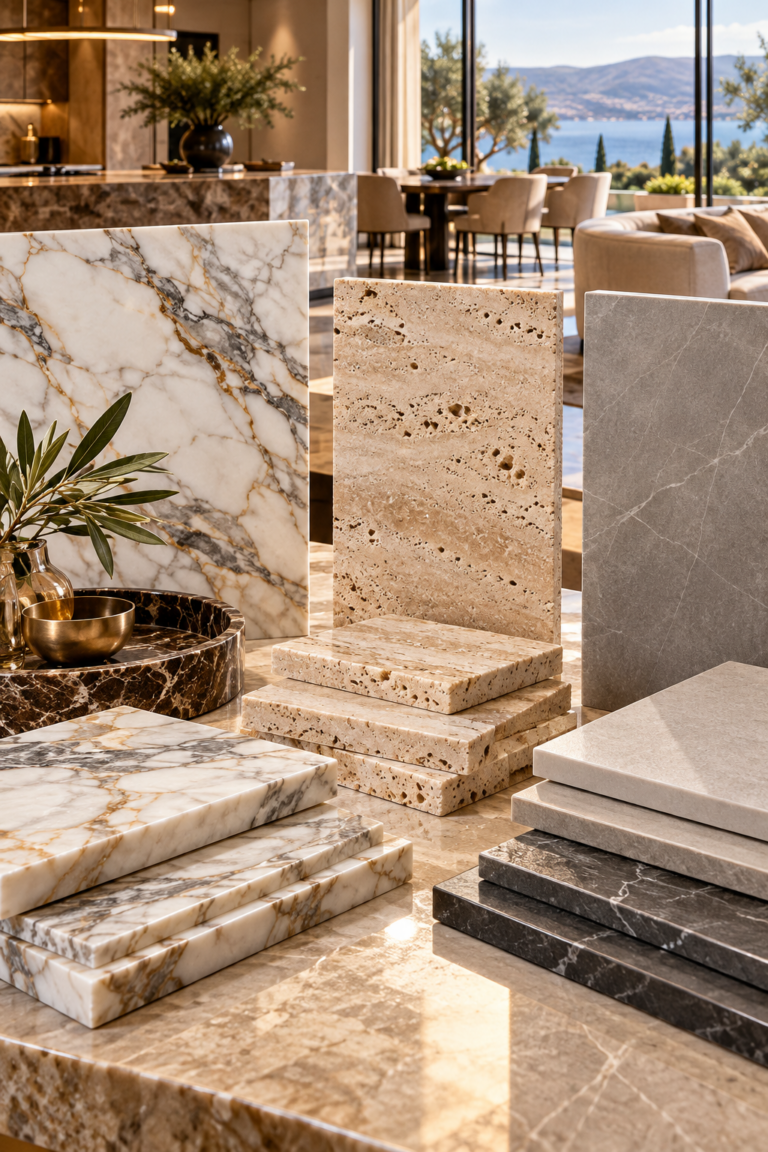
Flooring choices may include porcelain tile, natural stone, engineered wood, or other suitable finishes, depending on the home’s conditions and maintenance requirements.
Consider how the flooring responds to wet footwear, how easily it can be cleaned, and whether the surface becomes slippery when damp. Natural stone may require sealing or specialist care, while some timber finishes can be vulnerable to moisture and scratches.
For walls, durable paint or an appropriate washable finish can be useful in high-contact areas. A runner can soften the space, provided it has a suitable backing and does not create a tripping hazard.
Always check manufacturer guidance before selecting materials for an entrance exposed to outdoor conditions.
7. Create Storage for Everyday Essentials
An entryway should make daily routines easier. Without a clear storage system, shoes, bags, coats, umbrellas, and keys can quickly create clutter.
Start by identifying what household members actually bring in and take out each day. Then allocate practical places for those items.
Depending on the available space, useful options include:
- A closed shoe cabinet
- A small tray for keys and other pocket essentials
- Wall hooks for frequently used bags or coats
- A basket for accessories
- A narrow cabinet for household items
- A bench with integrated storage
Closed storage can create a cleaner appearance, while open hooks or shelves keep frequently used items accessible.
Avoid choosing storage furniture solely because it looks attractive. Check its capacity, dimensions, ventilation requirements for shoes, and ease of use.
8. Add Seating When Space Allows
A small bench or stool can make an entrance more practical, especially when household members regularly change shoes near the door.
Choose seating that fits without blocking movement. A narrow bench may be sufficient in a compact hallway, while a larger foyer may accommodate a more substantial upholstered seat.
Consider materials carefully. Upholstery near the entrance should be appropriate for regular use and reasonably easy to maintain. A washable cushion or a durable fabric may be more practical than a delicate material.
If there is not enough room for permanent seating, a movable stool can provide flexibility. Function should take priority over adding a piece that makes the entrance feel crowded.
9. Use Artwork and Accessories With Restraint
Decorative details help give an entryway personality, but the space does not need a large collection of objects.
A single artwork, a sculptural ceramic vase, a distinctive lamp, or a carefully selected plant may be enough to establish character.
Choose objects that relate to the overall palette and the scale of the entrance. Artwork should be positioned so it can be appreciated comfortably, while accessories on a console should leave room for practical items.
Avoid placing delicate or valuable objects where they can be easily knocked over. Keep the entrance functional, especially if children, pets, or several people use it frequently.
Personal pieces can make the space feel more meaningful than a collection of decorative items chosen only to look expensive.
10. Consider Scent, Sound, and Comfort
The experience of entering a home involves more than visual appearance.
A well-maintained entrance, comfortable temperature, suitable lighting, and a calm atmosphere can contribute to a welcoming first impression.
If you enjoy home fragrance, choose a subtle option and consider the preferences and sensitivities of household members and guests. Keep candles and fragrance devices away from fabrics, walkways, and other hazards.
In apartments or homes close to busy streets, a well-fitted front door and suitable seals may help reduce unwanted noise. The appropriate solution depends on the door, building, and existing construction.
These details are not substitutes for good design, but they can improve the way the entrance functions in everyday life.
Common Entryway Design Mistakes to Avoid
Choosing furniture that is too deep
A console or cabinet can quickly obstruct a narrow entrance. Measure the space and preserve a comfortable route through the door.
Ignoring practical storage
A beautiful entrance becomes frustrating if there is nowhere to put keys, shoes, or bags. Plan storage around daily habits rather than appearance alone.
Using too many decorative objects
Crowded surfaces can make the space look busy. Select a few purposeful pieces and leave enough room for everyday use.
Choosing materials without considering maintenance
Some finishes require more cleaning or protection than others. Consider dirt, moisture, wear, and the amount of maintenance you are willing to do.
Treating the entryway as unrelated to the rest of the home
The entrance establishes the home’s visual direction. Use compatible colors, materials, and details to connect it with adjacent rooms.
A Simple Luxury Entryway Checklist
Before finalizing your design, check that:
- The entrance has a clear walking route.
- Furniture fits the available dimensions.
- Everyday essentials have designated storage.
- Lighting supports safe movement and a welcoming atmosphere.
- Flooring and wall finishes suit the level of use.
- Mirrors and artwork are securely installed.
- Decorative accessories do not interfere with daily routines.
- The overall palette connects naturally with the rest of the home.
You do not need to make every change at once. Begin with layout and storage, then address lighting and durable finishes before adding decorative details.
Frequently Asked Questions
How do you make a small entryway look luxurious?
Keep the layout clear, choose furniture that fits, use a coordinated color palette, and provide practical storage. A well-positioned mirror and thoughtful lighting may also improve the sense of space without adding clutter.
What furniture belongs in a luxury entryway?
Depending on the available room, useful pieces may include a console table, shoe cabinet, mirror, bench, or small stool. Choose only what serves a purpose and fits comfortably.
Which flooring is best for an entryway?
The best choice depends on moisture exposure, foot traffic, cleaning requirements, and the home’s overall design. Porcelain tile and suitable natural stone are common options, while wood and other materials may also work when appropriately specified and maintained.
Should an entryway have a rug?
A rug or runner can add texture and help define the entrance. Choose one with suitable dimensions, a secure backing, and a material that can handle the level of dirt and moisture it will encounter.
How can I keep an entryway organized?
Assign specific places for frequently used items, provide storage suited to household routines, and return items to their designated locations regularly. A short daily reset can prevent clutter from accumulating.
Final Thoughts
A well-designed entryway combines a welcoming atmosphere with practical everyday function. Suitable proportions, thoughtful lighting, durable materials, useful storage, and carefully chosen details can help create a refined first impression without unnecessary decoration.
Start with the way you use the space, then make design choices that support those needs. The result should feel connected to the rest of the home and remain comfortable and organized over time.
At Casa Élite, thoughtful luxury is about the relationship between beauty, materials, function, and everyday living.
Explore More Luxury Interior Design Ideas
Thoughtful furniture choices can make a home feel more cohesive and comfortable. Explore our guide on how to make a small home look luxurious for practical ideas on layout, lighting, and storage.
Materials also influence the character of an interior. Read our guide to marble, travertine, and porcelain to compare popular finishes for the home.
For a more considered approach to lighting, discover how to choose lighting for a luxury home with room-by-room guidance.