How to Choose the Right Rug for Every Room: Size, Material, and Style
A well-chosen rug can transform the way a room looks and feels. It adds warmth underfoot, softens hard flooring, introduces texture, and helps define furniture arrangements. In a thoughtfully designed home, a rug is not simply a decorative finishing touch. It is an important part of the room’s overall composition.
However, choosing the right rug involves more than finding a beautiful pattern or color. The dimensions must suit the furniture, the material should match the room’s daily use, and the pile height should work with doors, dining chairs, and foot traffic.
The most successful rugs balance visual appeal with comfort, durability, and proportion.
In this guide, we explore how to choose the right rug for every room, including living rooms, bedrooms, dining rooms, hallways, and entryways. You will also learn how to compare materials, select the right size, coordinate colors, and avoid common purchasing mistakes.
1. Start With the Right Rug Size
One of the most common rug-buying mistakes is choosing a size that is too small for the room.
A small rug can make a generous seating arrangement feel disconnected, while a properly proportioned rug helps furniture appear intentional and balanced.
Before shopping, measure the room and identify the furniture that should relate to the rug. Use painter’s tape to mark the proposed dimensions on the floor. This simple step helps you visualize the final arrangement before committing to a purchase.
Living Room Rug Sizes
Living room rugs should relate to the seating arrangement rather than the floor area alone.
Common rectangular rug sizes include 5 × 8 feet, 8 × 10 feet, and 9 × 12 feet. Larger rooms may require a 10 × 14-foot rug or a custom size, depending on the furniture layout.
These are common starting points, not universal rules.
Consider three placement options:
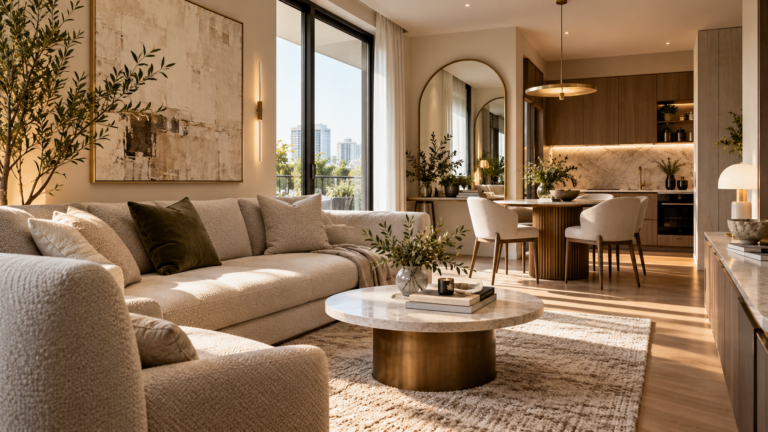
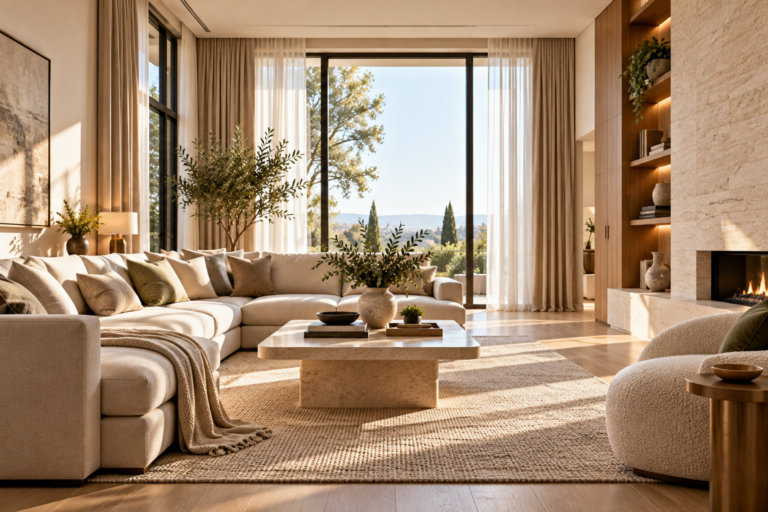
- All furniture legs on the rug: A generous arrangement that can make a large living room feel cohesive.
- Front legs on the rug: A flexible option for many medium-sized living rooms, allowing the seating group to feel connected without covering the entire floor.
- Coffee table only: Best reserved for certain compact or deliberately separated arrangements where a larger rug would obstruct circulation.
For most substantial seating groups, a rug that extends beyond the sofa’s sides often creates a more balanced appearance than one that stops exactly at the sofa’s edges.
Bedroom Rug Sizes
In a bedroom, the rug should provide a comfortable landing area beside the bed and visually connect the bed with the surrounding furniture.
A common approach is to place a large rug beneath the lower two-thirds of the bed, extending beyond both sides and the foot.
For a king-size bed, an 8 × 10-foot or 9 × 12-foot rug may work, depending on the bed frame, nightstands, room dimensions, and desired coverage. A queen bed may work with an appropriately positioned 8 × 10-foot rug in many layouts.
Alternatively, runners on either side of the bed can provide softness when a large rug is impractical.
Measure the actual bed and furniture rather than relying on mattress dimensions alone. Bed frames, upholstered headboards, and projecting footboards can change the amount of floor space the arrangement occupies.
Dining Room Rug Sizes
A dining room rug should generally extend far enough beyond the table to accommodate chairs when they are pulled out.
As a starting point, allow approximately 24–30 inches of additional rug space beyond the table edges, then check the arrangement using your actual chair dimensions.
For example, a 72-inch-long dining table may need a rug roughly 10–12 feet long, depending on the chairs and desired clearance.
A dining rug that is too small creates an uncomfortable arrangement because chair legs can catch on its edges when guests move their seats.
Low-pile rugs with stable surfaces are usually easier to manage beneath dining furniture.
Hallway and Entryway Rugs
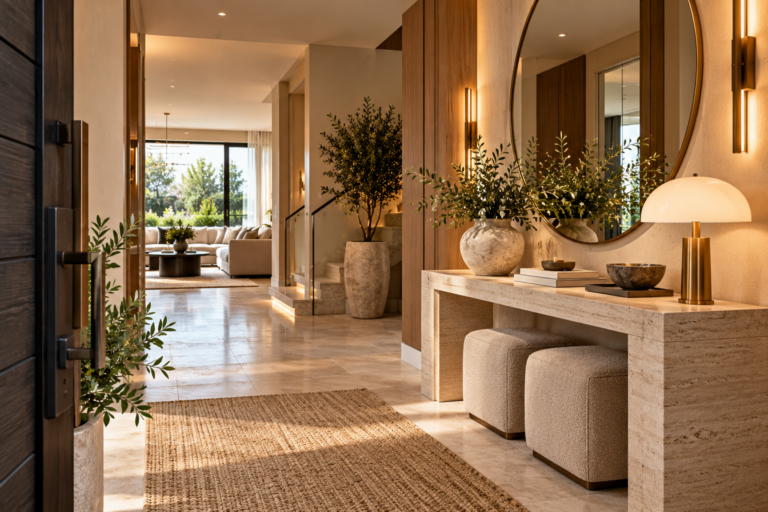
Hallways often benefit from runners that follow the direction of movement through the space.
Choose a runner that leaves a visible border of flooring along the sides. The appropriate clearance depends on hallway width, door positions, and the overall proportions of the space.
For entryways, consider the door swing, available clearance, and the amount of dirt or moisture that enters the home.
A rug should sit securely without interfering with doors or creating a tripping hazard.
2. Choose the Best Rug Material for Your Lifestyle
Material influences a rug’s softness, appearance, durability, maintenance requirements, and price.
The best material depends on where the rug will be placed and how the room is used. A delicate decorative rug may be appropriate for a quiet sitting room, while a busy family room requires a more forgiving construction.
Wool Rugs
Wool is a popular choice for residential rugs because it offers natural resilience, a comfortable texture, and an appealing appearance.
Advantages:
- Comfortable underfoot.
- Naturally resilient fibers.
- Available in a wide range of weaves, patterns, and colors.
- Suitable for many living rooms and bedrooms.
Considerations:
- Often more expensive than synthetic alternatives.
- New wool rugs may shed fibers, especially during early use.
- Cleaning requirements depend on the dye, construction, backing, and manufacturer’s instructions.
- Some wool rugs are not suitable for every stain or moisture situation.
Wool is particularly appealing in living rooms, bedrooms, and formal sitting areas where comfort and material quality matter.
Cotton Rugs
Cotton rugs are often lighter in weight and can have a relaxed, casual appearance.
Advantages:
- Frequently available at accessible prices.
- Useful in informal interiors.
- Some smaller cotton rugs are washable according to their care labels.
- Easy to incorporate into simple, layered schemes.
Considerations:
- Some constructions flatten or wear more quickly than denser alternatives.
- Lightweight rugs may shift without a suitable rug pad.
- Washability should never be assumed without checking the product’s instructions.
Cotton can work well in casual bedrooms, small seating areas, and selected low-traffic spaces.
Jute and Sisal Rugs
Natural plant fibers such as jute and sisal bring an organic texture to an interior.
Their earthy colors can complement oak flooring, linen upholstery, stone surfaces, and restrained neutral palettes.
Advantages:
- Natural-looking texture.
- Useful for adding visual interest without a strong pattern.
- Works well in many contemporary, coastal, and organic-inspired interiors.
Considerations:
- Texture can feel rougher than wool or plush synthetic fibers.
- Spills and moisture may be difficult to remove.
- Certain plant-fiber rugs can stain or discolor if exposed to unsuitable cleaning methods.
- Sisal and jute differ in texture and construction, so they should not be treated as interchangeable.
These rugs are often better suited to relatively dry areas where the natural texture can be appreciated without frequent exposure to spills.
Silk and Silk-Blend Rugs
Silk and silk-blend rugs can have a refined appearance because of their fine texture and distinctive sheen.
They are often chosen for decorative spaces where subtle color variation and intricate detailing are important.
Advantages:
- Fine visual detail.
- Elegant surface appearance.
- Useful for creating a sophisticated focal point.
Considerations:
- Often expensive.
- May require specialist cleaning.
- Can be vulnerable to abrasion, staining, and unsuitable cleaning products.
For most households, silk is best considered for lower-traffic areas where its appearance can be preserved.
Synthetic Rugs
Synthetic rugs made from materials such as polypropylene, polyester, or nylon can offer practical alternatives to natural fibers.
Their performance varies significantly by fiber, pile construction, backing, and manufacturing quality.
Advantages:
- Available across a wide range of prices.
- Many designs imitate the appearance of wool or other natural materials.
- Certain products are designed for stain resistance or easier maintenance.
- Useful for some high-traffic spaces.
Considerations:
- Texture and resilience vary considerably between products.
- Some rugs flatten or show wear with repeated use.
- Stain resistance does not mean stain-proof.
- Cleaning and environmental characteristics differ by material and construction.
For family rooms and other frequently used spaces, compare the specific product’s durability, cleaning instructions, and warranty rather than judging it by fiber type alone.
3. Select the Right Pile Height and Rug Construction
Pile height describes the length of the fibers above the rug’s backing. Construction affects how the rug feels, how it wears, and how easily furniture moves across it.
Low-Pile Rugs
Low-pile rugs have relatively short fibers and a flatter surface.
They are often practical for:
- Dining rooms.
- Hallways.
- Entryways.
- Home offices.
- Areas with frequent furniture movement.
Their flatter construction can make vacuuming and chair movement easier, although the exact performance depends on the rug.
Medium-Pile Rugs
Medium-pile rugs offer a balance between comfort and everyday practicality.
They can work well in living rooms and bedrooms where softness matters but a very deep pile would be inconvenient.
High-Pile and Shag Rugs
High-pile rugs have longer fibers and a softer, more pronounced texture.
They can introduce a relaxed, inviting quality to bedrooms and informal sitting areas.
However, they may require more careful maintenance and can be less suitable beneath dining chairs, rolling furniture, or frequently used doorways.
Hand-Knotted, Hand-Tufted, and Machine-Made Rugs
Rug construction also affects price and performance.
- Hand-knotted: Made by tying individual knots, often resulting in detailed designs and long-lasting construction when properly made and maintained.
- Hand-tufted: Created by inserting yarn into a backing, commonly offering substantial texture and a broad range of designs.
- Machine-made: Produced using mechanical manufacturing methods, with quality and durability varying by materials and construction.
No single construction method automatically guarantees superior quality. Examine the materials, density, finishing, backing, workmanship, and care requirements before deciding.
4. Coordinate Rug Colors With Your Interior
The right rug color should complement the room rather than compete with every other element.
Start by identifying the dominant colors in the flooring, walls, upholstery, curtains, and larger furniture pieces.
Then decide whether the rug should blend into the palette or create a deliberate focal point.
Neutral Rugs for Timeless Interiors
Ivory, oatmeal, warm gray, beige, and taupe are versatile choices for refined residential interiors.
They can help connect natural materials, upholstered furniture, and architectural finishes without introducing excessive visual contrast.
A neutral rug does not have to be plain. Subtle differences in pile, weave, and tone can create depth while preserving a restrained appearance.
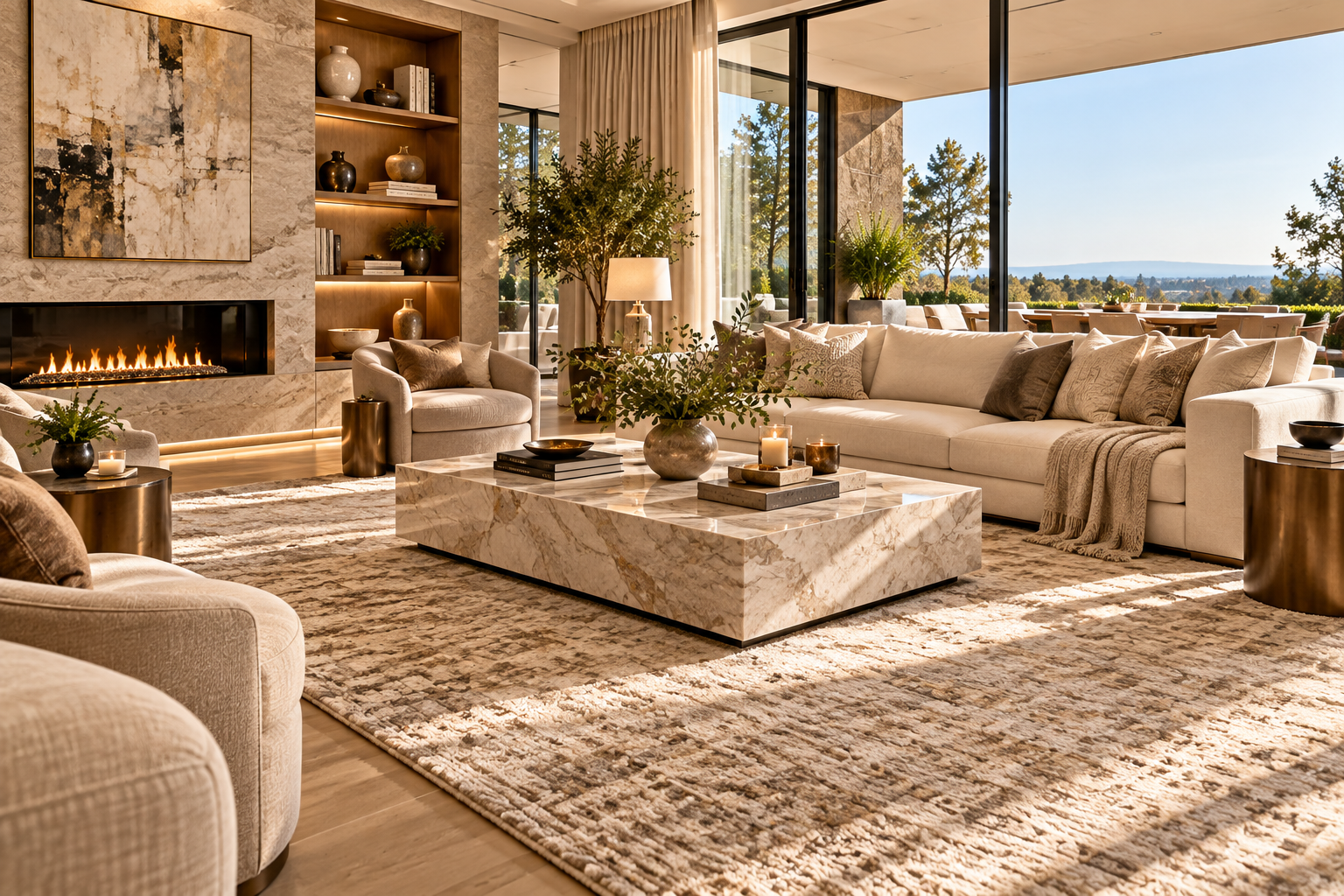
For a quietly luxurious room, consider an ivory wool rug with a discreet tonal pattern or a warm taupe design that complements the flooring.
Dark Rugs for Definition
Charcoal, chocolate brown, deep olive, and other darker tones can anchor a seating arrangement or introduce contrast into a light room.
Dark rugs may also be useful in selected high-traffic areas, although their practical performance depends on the color, pattern, fiber, and type of dirt or staining.
A dark rug works best when it relates to other elements in the room, such as dark wood furniture, bronze details, or artwork.
Patterned Rugs for Character
Pattern can introduce movement and individuality.
Traditional motifs, geometric designs, abstract compositions, and subtle linear patterns each create a different effect.
If the furniture and artwork already contain strong patterns, a quieter rug may help maintain balance. In a more restrained room, a patterned rug can provide the visual interest that the rest of the scheme deliberately avoids.
Look at the rug from the normal viewing distance of the room, not only in a close-up product photograph.
Match Undertones, Not Just Color Names
Two rugs described as beige can look very different in the same room.
One may have a pink undertone, another a yellow undertone, and another a gray undertone. These differences become more noticeable beside flooring, paint, and upholstery.
Whenever possible, order samples and view them under both natural and artificial light.
5. Choose a Rug That Works With Your Flooring
Flooring and rugs should complement one another in color, texture, and scale.
Hardwood Floors
Wood flooring pairs well with wool, cotton, jute, and many synthetic rugs.
For a warm oak floor, a rug in ivory, soft taupe, muted olive, or another compatible tone can create a balanced composition.
On darker walnut flooring, a lighter rug may introduce contrast and help define the seating area.
Avoid assuming that every wood tone needs to match perfectly. A considered contrast can look more natural than trying to reproduce the same shade in different materials.
Marble and Natural Stone
Stone flooring can feel visually cool or formal, depending on its color and finish.
A wool rug or textured neutral design can introduce softness and reduce the sense of hardness underfoot.
For marble or travertine, compare the rug’s undertones with the stone’s natural variation. Warm cream rugs can complement beige stone, while cooler neutrals may suit certain gray or white surfaces.
Porcelain and Ceramic Tile
Tile floors benefit from rugs that introduce texture and help define functional zones.
In kitchens and bathrooms, prioritize products suited to the room’s moisture exposure and cleaning requirements. Not every natural-fiber rug is appropriate for these environments.
A rug pad should also be compatible with the floor finish to help prevent slipping, discoloration, or damage.
Wall-to-Wall Carpet
Layering a rug over carpet can work when the contrast is intentional and the rug remains stable.
Choose a construction that sits securely on the carpet and use an appropriate rug pad if recommended by the manufacturers. Avoid combinations that cause excessive movement, bunching, or an unstable surface.
6. How to Choose a Rug for a Luxury Living Room
A living room rug should connect the main furniture pieces and help the seating area feel complete.
Start by arranging the sofa, armchairs, and coffee table. Then determine how much of that arrangement should sit on the rug.
For a large, open living room, a generous rug can help distinguish the seating area from adjacent circulation or dining zones.
For a smaller living room, a correctly sized rug with a restrained pattern can create a sense of continuity without overwhelming the floor.
Consider these details:
Furniture proportions: The rug should relate to the scale of the sofa and chairs. A small rug beneath a large sectional can make the entire arrangement feel unbalanced.
Coffee table clearance: Leave enough usable space around the table for comfortable movement.
Texture: A wool rug can soften a room with stone flooring, glass tables, or metal accents.
Pattern: Choose a design that works with the upholstery and artwork rather than repeating every motif.
Maintenance: Consider shedding, pet hair, food spills, and the frequency of vacuuming.
If you are refining your seating arrangement, our guide to making a living room look expensive without overdecorating provides additional ideas for creating a balanced interior.
7. Create a Comfortable Bedroom With the Right Rug
Bedrooms benefit from rugs that feel comfortable underfoot and complement the bed’s visual weight.
A large rug beneath the bed can create a unified foundation for the sleeping area. Alternatively, matching or coordinated runners can provide softness beside the bed without covering as much flooring.
Consider a low-contrast wool rug in a neutral color for a calm, layered appearance. If the bedding and curtains are already simple, a subtle pattern can add depth without dominating the room.
Pay attention to the rug’s relationship with the nightstands and other furniture. The final arrangement should look intentional from the doorway as well as from the bed.
For additional guidance, see our article on designing a luxury bedroom.
8. Select a Practical Rug for the Dining Room
Dining room rugs need to balance appearance with ease of use.
A low-pile construction generally allows chairs to move more smoothly than a thick, plush rug. A relatively simple pattern can also be useful because small crumbs and minor marks may be less conspicuous than on a completely uniform surface.
Before purchasing, measure the table and chairs in their normal positions and with the chairs pulled out.
Consider whether the rug will be easy to vacuum and whether its cleaning requirements suit your household.
For homes where dining areas receive frequent spills, a product designed for practical cleaning may be a better choice than a delicate natural-fiber rug.
9. Use Runners and Small Rugs Strategically
Smaller rugs can be effective when their dimensions and placement serve a clear purpose.
Hallways
A runner can create continuity along a long corridor. Leave suitable floor clearance at the sides and ends, and ensure that the rug remains stable underfoot.
Entryways
Choose an entry rug according to the amount of dirt and moisture entering the home. A durable, easy-to-clean option may be more practical than a delicate decorative design.
Kitchens
A runner near a sink or preparation area can provide comfort and introduce color. Make sure it is suitable for the environment and does not slide or interfere with cabinet doors.
Reading Corners
A compact rug beneath an armchair and side table can help define a quiet reading area within a larger room.
In each case, the rug should support the function of the space rather than appear to have been placed there simply to fill an empty patch of flooring.
10. Use Rug Pads for Stability and Protection
A suitable rug pad can improve comfort, reduce movement, and help protect the floor.
The correct pad depends on the rug’s construction, the flooring material, and the manufacturer’s recommendations.
Look for a product designed for your specific floor type. Some pads may be unsuitable for particular finishes or may leave residue, cause discoloration, or interfere with floor warranties.
A pad can also help keep a rug flatter and reduce bunching, but it cannot correct every problem caused by an unsuitable rug size or construction.
For rugs near doorways, make sure the combined thickness of the rug and pad does not obstruct the door or create a trip hazard.
11. Understand Rug Maintenance Before You Buy
A beautiful rug is easier to enjoy when its care requirements fit your lifestyle.
Before purchasing, read the manufacturer’s instructions and consider the following:
- Vacuuming: Check whether the rug can be vacuumed with a beater bar or requires a gentler setting.
- Shedding: Some natural-fiber rugs shed more than others, particularly when new.
- Spills: Learn how the manufacturer recommends treating fresh spills.
- Professional cleaning: Some materials and constructions require specialist services.
- Sunlight: Prolonged direct sunlight can affect dyes and fibers.
- Furniture pressure: Heavy furniture can leave indentations; repositioning furniture and following care instructions may help.
- Storage: Rugs should be stored according to their material and construction to reduce the risk of moisture, pests, and distortion.
Avoid applying household cleaning products without checking compatibility. Certain chemicals and cleaning methods can damage dyes, backing, or natural fibers.
For valuable or delicate rugs, consult a qualified rug-cleaning professional before attempting stain removal.
12. Common Rug-Buying Mistakes to Avoid
Even a beautiful rug can disappoint when the size, construction, or placement is wrong.
Choosing a rug that is too small
A rug that barely extends beneath a coffee table can leave the surrounding furniture disconnected. Measure the full seating arrangement before choosing dimensions.
Buying based on color alone
A color that looks perfect online may appear different in your home. Lighting, flooring, and nearby fabrics all influence its appearance.
Ignoring the pile height
A thick rug may look inviting but can be inconvenient beneath dining chairs or near doors. Match the construction to the room’s function.
Selecting delicate materials for busy spaces
A delicate rug may be unsuitable for a heavily used entryway or a dining area where spills are common. Consider cleaning requirements before purchasing.
Forgetting the rug pad
An unstable rug can move, bunch, or create a safety hazard. Select an appropriate pad when needed.
Ignoring furniture clearance
A rug should not interfere with door swings, drawers, dining chairs, or walking routes.
Choosing a trend over long-term suitability
Trends can be inspiring, but the rug should still complement the home’s architecture and furnishings after current fashions change.
Skipping the sample stage
When possible, view a sample in the room before making a significant investment. This is particularly useful for expensive natural-fiber rugs and subtle neutral palettes.
13. A Simple Rug Selection Checklist
Before ordering a rug, use this checklist to review your choice.
- Measure the room and furniture arrangement.
- Mark the proposed rug dimensions on the floor.
- Confirm that doors and drawers can open freely.
- Check that dining chairs can move comfortably.
- Choose a material suited to the room’s daily use.
- Compare pile height and construction.
- Check the rug’s color under different lighting conditions.
- Order a sample if available.
- Read cleaning and maintenance instructions.
- Confirm whether a rug pad is recommended.
- Check delivery dimensions, return terms, and any custom-order restrictions.
- Confirm the final dimensions before placing the order.
A few careful measurements can prevent an expensive purchasing mistake.
Frequently Asked Questions
What is the best rug size for a living room?
The best size depends on the dimensions of the room and the arrangement of the seating furniture. Common sizes include 8 × 10 feet and 9 × 12 feet, but smaller or larger rugs may be more appropriate. Measure the seating group and mark the proposed dimensions on the floor before buying.
Should a living room rug go under the sofa?
In many living rooms, placing at least the sofa’s front legs on the rug helps connect the seating arrangement. In larger rooms, a rug that accommodates all the main furniture legs can create an even more unified appearance. The choice depends on the furniture and available floor space.
Which rug material is best for a luxury home?
Wool is a versatile option for many living rooms and bedrooms because of its comfort and resilience. Silk can suit decorative, lower-traffic areas, while synthetic rugs may offer practical alternatives for busy households. Jute and sisal provide natural texture but require careful consideration of moisture and cleaning.
What color rug makes a room look larger?
A rug that relates closely to the surrounding flooring and uses a relatively restrained pattern can help create visual continuity. Light-colored rugs may also make a room feel brighter, depending on the available daylight and surrounding finishes. Size and placement are just as important as color.
Are neutral rugs a good long-term investment?
Neutral rugs can be versatile because they work with many furniture styles and color palettes. However, durability depends on the material, construction, quality, maintenance, and intended use rather than color alone.
Is a rug necessary in every room?
No. Rugs can help define seating areas, soften hard floors, and improve comfort, but they are not essential everywhere. Some rooms benefit from the uninterrupted appearance of wood, stone, or tile flooring.
Can you put a rug over hardwood floors?
Yes. Rugs are commonly used over hardwood to introduce texture, comfort, and visual definition. Choose a compatible rug pad and follow the flooring manufacturer’s recommendations to help avoid movement, scratches, or discoloration.
How often should a rug be cleaned?
Cleaning frequency depends on foot traffic, pets, household activities, and the rug’s material. Regular vacuuming and prompt attention to spills are useful starting points. Follow the manufacturer’s care instructions and arrange professional cleaning when recommended.
The Casa Élite Perspective
A well-chosen rug brings together the elements of a room. It can soften stone flooring, complement natural wood, anchor a seating arrangement, and introduce texture without overwhelming the architecture.
The most successful choice is not necessarily the largest, most expensive, or most elaborate rug. It is the one that fits the room’s proportions, supports everyday use, and complements the materials and furnishings around it.
Begin with measurements. Choose a construction suited to the space. Consider color and texture in the context of the entire interior, and pay attention to practical details such as cleaning, chair movement, and floor protection.
When these decisions work together, a rug becomes more than an accessory. It becomes part of a thoughtful, comfortable, and enduring home.