How to Make a Room Look Bigger: 9 Interior Design Tricks That Work
A room does not need more square footage to feel more open, comfortable, and visually balanced. Often, the way furniture is arranged, light moves through the space, and colors relate to one another can significantly influence how large a room appears.
The goal is not to make every small room look empty or completely white. A well-designed space can still feel warm, layered, and personal while allowing people to move comfortably through it.
Whether you are working with a compact bedroom, a narrow living room, or a small apartment, these nine interior design techniques can help improve the sense of space without requiring major renovations.
1. Arrange Furniture Around Clear Walking Paths
Furniture placement has a direct effect on how a room feels. When chairs, tables, or cabinets interrupt the natural route through a space, the room can appear more crowded than it actually is.
Start by identifying the main walking paths between doors, windows, seating, and other frequently used areas. Arrange the largest furniture pieces first, then add smaller items only where they serve a clear purpose.
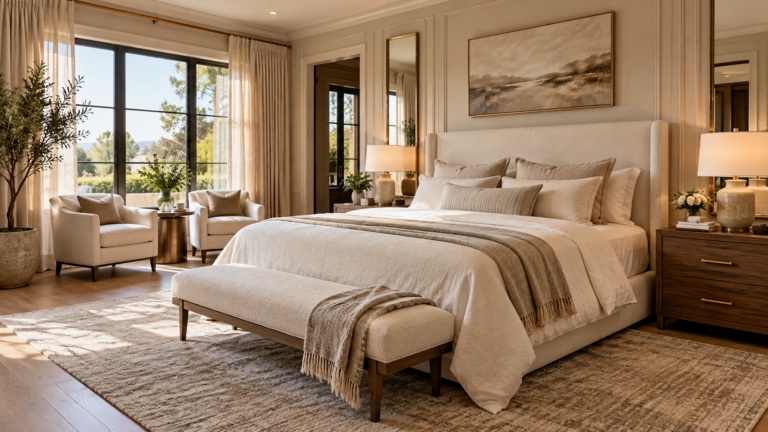
In a living room, you might position the sofa against a suitable wall and keep the route to the entrance unobstructed. In a bedroom, ensure that the bed can be accessed comfortably and that wardrobe doors and drawers can open fully.
Do not automatically push every piece of furniture against a wall. In some layouts, a small gap behind a sofa or a carefully positioned chair can improve the overall arrangement. The right solution depends on the room’s dimensions and how it is used.
Try this: Before buying new furniture, move one or two existing pieces and observe whether the room becomes easier to navigate.
2. Make the Most of Natural Light
Natural light can help a room feel brighter and more open. Heavy objects or window treatments that unnecessarily block daylight may make a space feel enclosed.
Where practical, keep window areas relatively clear. Position tall furniture away from windows if it significantly obstructs the light, and choose curtain fabrics that suit your privacy needs while allowing the desired amount of daylight through.
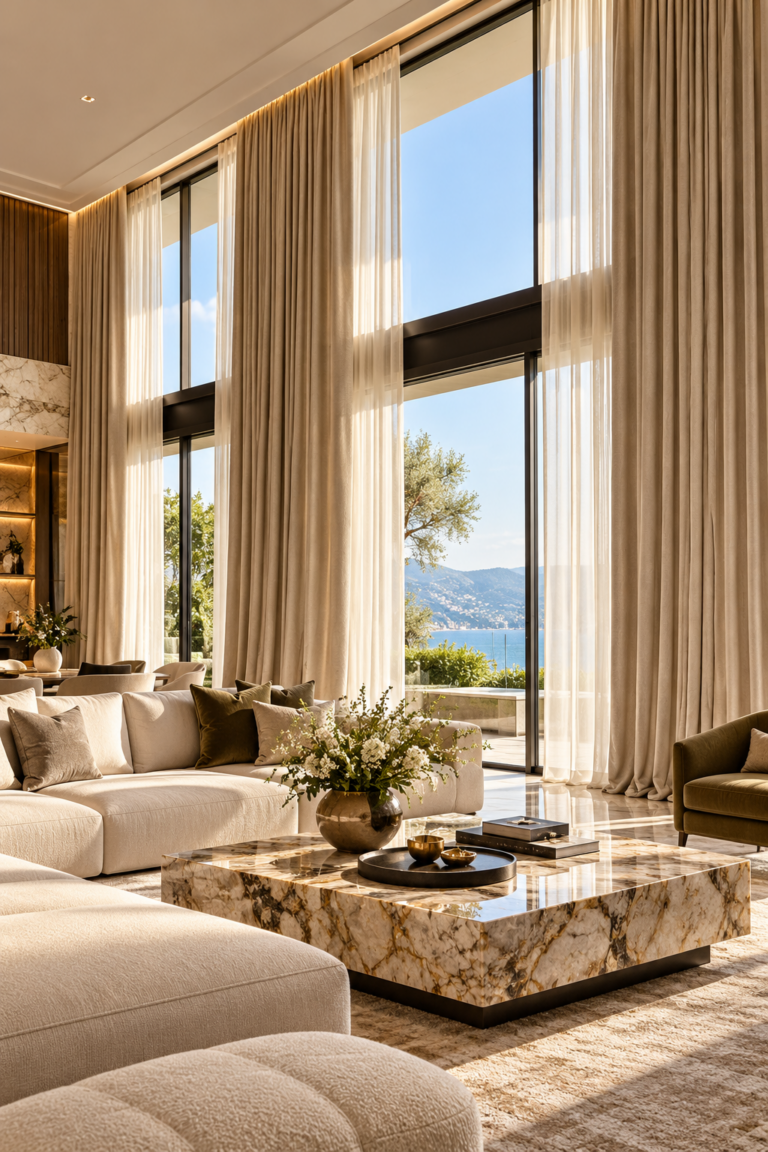
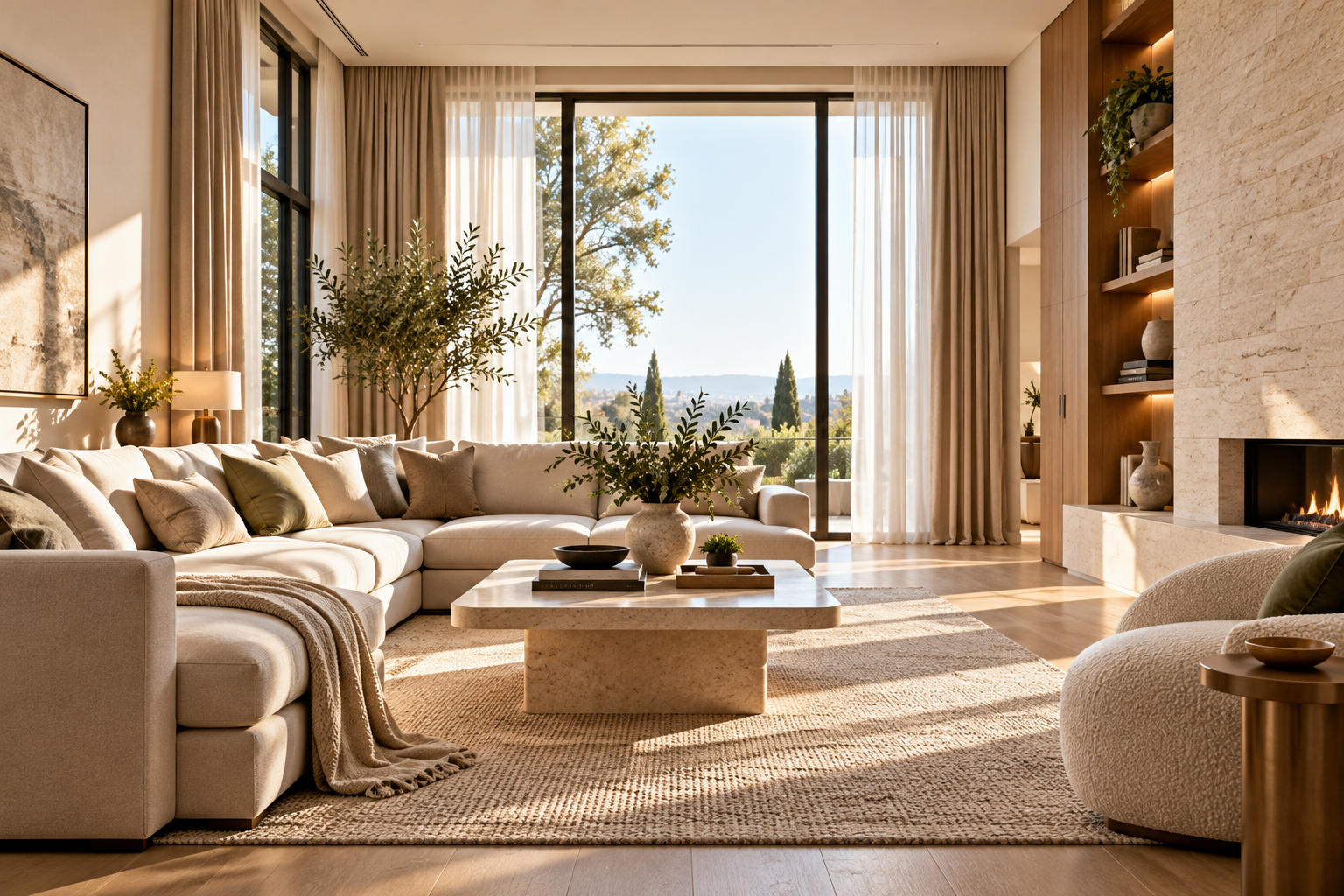
Sheer curtains can soften bright sunlight without completely obscuring the window. In rooms that require stronger privacy or light control, layered curtains can offer flexibility.
Pay attention to the room’s orientation and the quality of its daylight. A north-facing room, for example, may receive different light from a room with strong afternoon sun. Choose window treatments according to the actual conditions rather than assuming that the thinnest fabric is always best.
3. Choose a Coordinated Color Palette
A consistent color palette can reduce visual interruptions and help the room feel more cohesive.
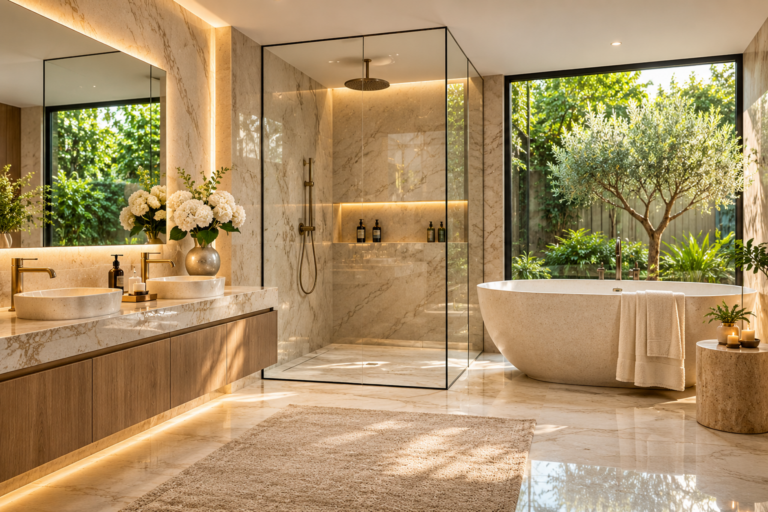
Light neutrals such as warm white, ivory, and pale beige are common choices because they reflect light well under suitable conditions. However, a room does not have to be entirely white to feel spacious. Soft greens, muted blues, warm taupes, and carefully selected deeper shades can also work.
Try using a dominant color for the main surfaces, then introduce a limited number of complementary shades through furniture, textiles, and accessories.
Consider how the walls relate to the flooring and larger furniture pieces. Strong contrasts can be effective, but too many unrelated color changes may divide a compact room visually.
Always test paint samples in the actual space. Natural light, artificial lighting, and nearby materials can change how a shade appears.
4. Use Mirrors With a Purpose
Mirrors can reflect light and create an impression of greater depth. Their effect depends on placement, size, and what they reflect.
A mirror positioned to reflect a window can help distribute daylight through a room. In a narrow hallway, a well-placed mirror may create a stronger sense of openness. In a dining area, a mirror can also reflect a carefully arranged table or an attractive architectural feature.
Avoid placing a mirror where it mainly reflects clutter, an awkward corner, or a bright light source that causes uncomfortable glare.
A large mirror is not automatically the best option. Choose a size and frame that suit the wall and surrounding furniture, and secure it appropriately for the wall type.
Remember that mirrors change visual perception; they do not increase the room’s physical dimensions.
5. Select Furniture With Appropriate Visual Weight
The physical size of furniture matters, but so does its visual weight.
A large, bulky sofa with thick arms and a solid base may dominate a compact living room. A sofa with slimmer arms, a raised base, and appropriately scaled cushions may feel lighter while still providing comfortable seating.
Furniture with visible legs can allow more floor area to remain visible, which sometimes makes a room feel less crowded. Glass or visually open tables may also help maintain a sense of openness, provided they suit the household’s needs and safety requirements.
Do not choose furniture solely because it is small or delicate. It must still provide adequate comfort and function. The objective is to balance the size of each piece with the space available.
Measure furniture before purchasing it, and check the clearance needed for doors, drawers, and everyday movement.
6. Use Curtains to Emphasize Height
Window treatments can influence the apparent proportions of a room.
Where the wall and window arrangement allow, mounting a curtain rod higher than the top of the window can draw the eye upward. Curtains that extend close to the floor can also create a more continuous vertical line.
Choose a width that allows the fabric to hang attractively when closed and stack neatly when open. Very heavy curtains may overwhelm a small window, while fabric that is too narrow can look stretched and provide inadequate coverage.
The exact placement depends on the window frame, ceiling height, radiator position, and any architectural restrictions. Do not cover ventilation openings or interfere with doors and windows.
For more detailed guidance, consider the room’s privacy, light-control, and fabric requirements before choosing a curtain style.
7. Layer Lighting to Reduce Dark Corners
A single central ceiling light may leave corners or functional areas poorly illuminated. Uneven lighting can make a room feel less welcoming and may emphasize its limitations.
A layered lighting plan combines different sources for different purposes:
- Ambient lighting provides general illumination.
- Task lighting supports reading, working, cooking, or other activities.
- Accent lighting highlights artwork, architectural features, or selected objects.
In a living room, a ceiling fixture can be combined with a floor lamp near a reading chair and a table lamp on a console. In a bedroom, bedside lights can provide comfortable illumination without relying entirely on a bright overhead fixture.
Use appropriate light levels and color temperatures for the room’s purpose. Avoid excessive brightness or glare, and ensure electrical fixtures are installed safely.
8. Keep Storage Organized and Surfaces Edited
Visible clutter can make it difficult to understand the layout of a room. A practical storage system helps keep everyday objects accessible without allowing them to dominate the space.
Choose storage based on what you actually need to keep. Closed cabinets can conceal miscellaneous items, while selected open shelves can display books or objects that contribute to the design.
In a small living room, a storage ottoman or a coffee table with a shelf may be useful. In a bedroom, under-bed storage can help when it does not interfere with ventilation or access.
Do not fill every shelf or surface. Leaving some open space allows the remaining objects to be seen more clearly.
The goal is not to remove all personality from the room. It is to make the layout, furniture, and meaningful belongings easier to appreciate.
9. Use Rugs and Patterns to Support the Layout
Rugs can help define different functions within a room, particularly in open-plan homes.
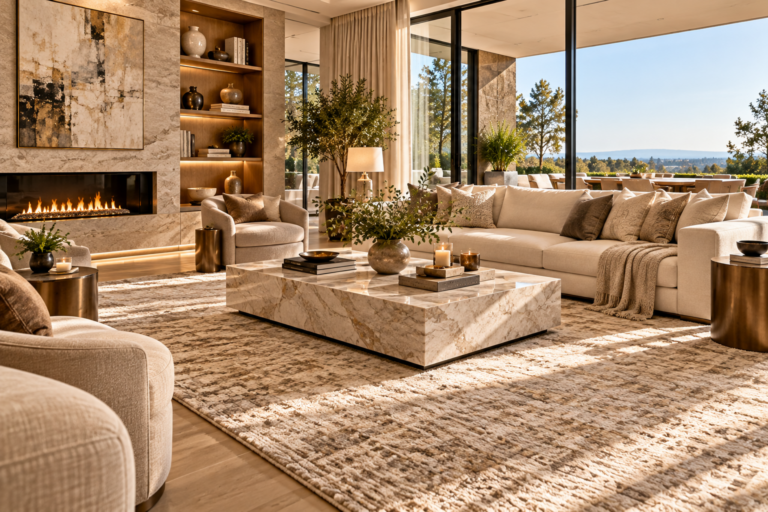
A rug that is too small may make a seating arrangement look disconnected. Choose a size that relates comfortably to the main furniture pieces, taking account of the room’s dimensions and walking paths.
Patterns also affect visual perception. Large, high-contrast patterns can become dominant in a compact space, while subtle patterns and textures may create interest without overwhelming the room. However, a bold pattern can still work when it is used intentionally and balanced by simpler elements.
Consider the rug’s color, texture, and placement alongside the flooring, curtains, and upholstery. A coordinated combination often feels more cohesive than choosing each item separately.
Check that the rug lies securely and does not create a tripping hazard, especially near doors or frequently used routes.
Common Mistakes That Can Make a Room Feel Smaller
Buying furniture before measuring
A sofa or cabinet that leaves too little clearance can interrupt movement and make the room feel crowded. Measure both the furniture and the available space before purchasing.
Blocking natural light unnecessarily
Tall furniture or heavy window treatments can obstruct daylight. Review the window area and consider alternatives that preserve privacy without unnecessarily darkening the room.
Using too many competing finishes
A large variety of colors, patterns, and materials can create visual noise. Choose a few complementary elements and repeat them thoughtfully.
Filling every empty corner
Not every corner needs a chair, plant, or decorative object. Empty space can improve circulation and give the existing furniture room to stand out.
Treating light colors as a complete solution
Light colors can help reflect light, but they cannot compensate for poor furniture placement, insufficient lighting, or a crowded layout. Consider the room as a whole.
A Simple Plan to Try This Weekend
You can begin improving the sense of space without making expensive purchases.
First, remove items that do not serve a clear purpose. Next, check the main walking routes and reposition furniture where necessary. Review window treatments and lighting to identify any avoidable obstructions or dark areas.
Then assess the color relationships between the walls, floor, and larger furniture pieces. If you plan to purchase a mirror, rug, or new furniture, measure the space and consider how the item will affect the overall layout.
Make one change at a time and observe the result. This approach helps you identify which adjustments genuinely improve the room rather than spending money on changes that have little practical effect.
Frequently Asked Questions
What colors make a room look bigger?
Light, coordinated colors can help a room feel brighter, especially when they work well with natural light. However, darker colors can also create a sophisticated result when used thoughtfully. The effect depends on the room’s lighting, proportions, finishes, and overall design.
Do mirrors make a room look bigger?
Mirrors can create an impression of greater depth by reflecting light and parts of the room. Their effect depends on what they reflect and where they are positioned. They do not increase the room’s actual size.
Should furniture be placed against the walls?
Not always. In some small rooms, placing furniture against suitable walls can preserve central floor space. In other layouts, slightly repositioning a sofa or chair may improve movement and create a more balanced arrangement. Test the layout before deciding.
Do floor-length curtains make a room look taller?
They can emphasize vertical lines, particularly when mounted higher than the window frame and allowed to extend close to the floor. The result depends on ceiling height, window placement, and the proportions of the room.
Can a small room have dark walls?
Yes. Dark walls can create depth, contrast, and an intimate atmosphere. To keep the room functional and visually balanced, consider natural light, layered lighting, furniture proportions, and how the wall color relates to the other finishes.
Final Thoughts
Making a room look bigger is not about following a single color rule or removing every decorative object. It is about improving the relationship between light, furniture, circulation, and visual detail.
Begin with a clear layout, preserve useful daylight, select furniture that suits the room, and keep storage organized. Add mirrors, curtains, lighting, and rugs where they solve a specific design problem.
With a few considered adjustments, a compact room can feel more open while remaining warm, comfortable, and personal.
At Casa Élite, thoughtful design is about making every element work together—regardless of the size of the space.
Explore More Luxury Interior Design Ideas
Furniture proportions and smart layouts can make a compact home feel more comfortable. Explore our guide on how to make a small home look luxurious for practical ideas on furniture, lighting, and storage.
Window treatments can also influence how a room looks and feels. Read our guide on how to choose curtains for a luxury home for tips on fabric, length, lining, and light.
Thoughtful lighting can help reduce dark corners and create a more welcoming atmosphere. Discover how to choose lighting for a luxury home for room-by-room guidance.