How to Make a Small Home Look Luxurious: 10 Smart Design Ideas
A small home can feel just as refined and inviting as a much larger property. The difference often comes down to how the available space is planned, how materials are combined, and how carefully furniture and lighting are selected.
Luxury does not require filling a room with expensive objects. In a compact home, thoughtful proportions, visual simplicity, good storage, and a consistent design direction can make a greater difference than decorative excess.
Whether you live in a small apartment, a compact townhouse, or a modest-sized house, these ten practical ideas can help you create a home that feels spacious, comfortable, and considered.
1. Begin With a Clear Layout
Before buying furniture or decorative accessories, study how you move through the space.
Measure the room, note the positions of windows and doors, and identify the activities that need to happen there. A living room might need comfortable seating, a reading corner, and a clear path to the kitchen or balcony.
Avoid arranging furniture simply because it fits against a wall. Consider how each piece relates to the others and whether it leaves enough room for everyday movement.
In smaller homes, a well-planned layout can be more valuable than adding another decorative feature. Remove unnecessary furniture if it interrupts circulation or makes the room feel crowded.
2. Choose Furniture That Fits the Room
Furniture proportions have a strong influence on how large or small a space feels.
Oversized sofas, bulky armchairs, and heavy tables can dominate compact rooms. On the other hand, furniture that is too small may make the room feel unfinished or uncomfortable.
Look for pieces that balance comfort with the room’s dimensions. A sofa with a visually light base, a dining table with a relatively slim profile, or a bed with integrated storage may be more practical than a bulky alternative.
Measure furniture before purchasing it. Include space for opening drawers, moving chairs, walking around a bed, and using doors comfortably.
The goal is not to choose the smallest possible furniture. It is to select pieces that suit the way you live without overwhelming the room.
3. Use a Consistent Color Palette
A coordinated color palette helps different areas of a small home feel connected.
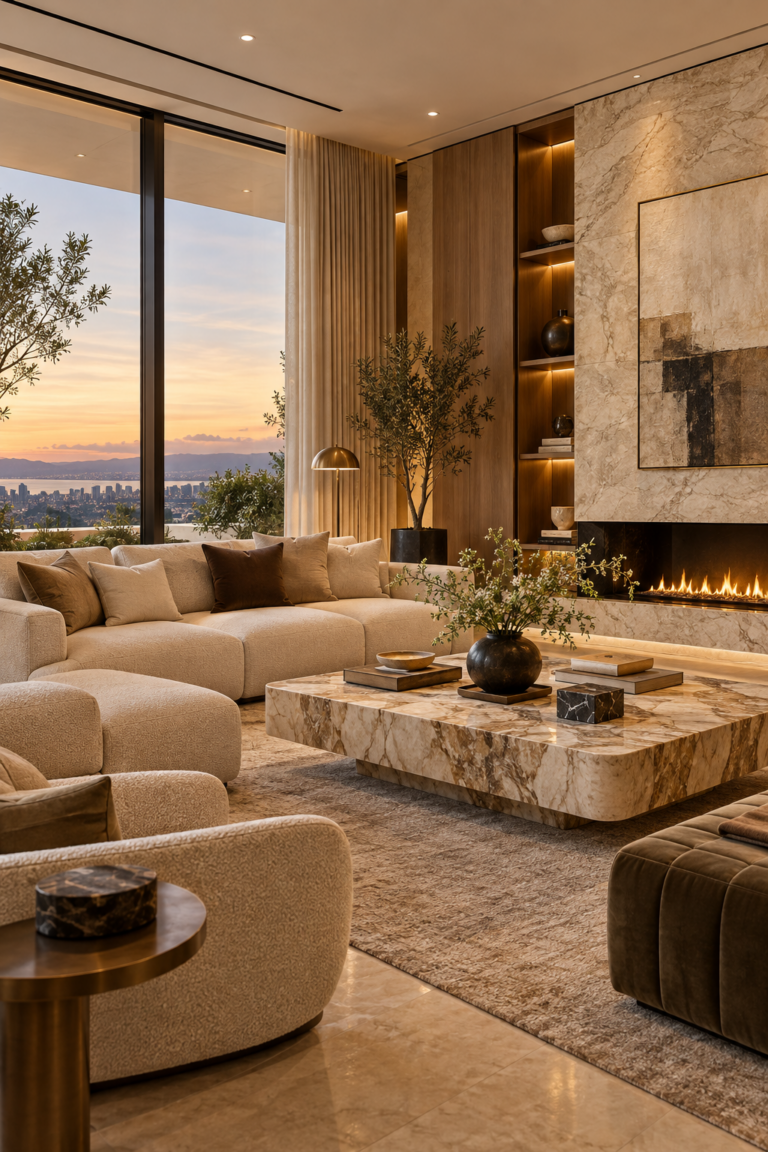
Warm whites, soft beige, muted taupe, natural wood, and restrained earthy shades can create a calm foundation. However, darker colors can also work beautifully when used intentionally.
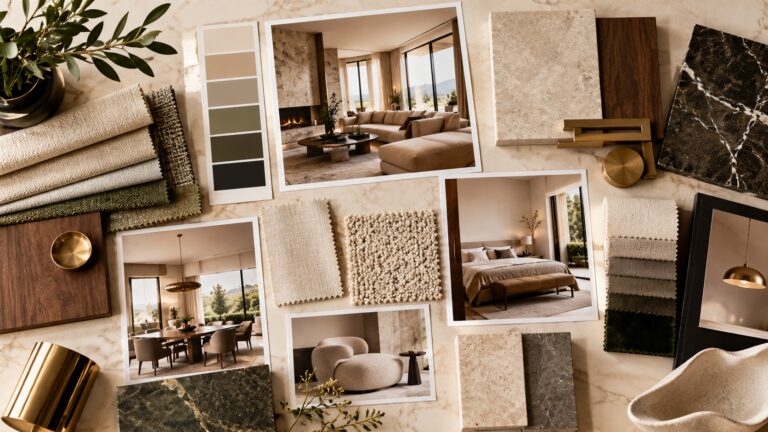
Choose a dominant color, a few supporting shades, and limited accents. Repeat selected colors across walls, upholstery, curtains, and accessories to establish continuity.
You do not need to paint every room the same color. Instead, choose shades that relate to one another so the transition between spaces feels natural.
Before committing to a paint color, test a sample in the actual room. Natural light, artificial lighting, flooring, and nearby materials can all affect how a color appears.
4. Make Natural Light a Priority
Natural light can make a compact interior feel more open and pleasant.
Keep windows as unobstructed as practical. Avoid placing tall furniture directly in front of a window when it blocks significant daylight, and choose window treatments that suit the size and position of the opening.
Curtains mounted appropriately above the window frame can create a more elongated visual effect. Light-filtering fabrics may also help soften daylight while preserving privacy.
Mirrors can reflect light and create a greater sense of depth, especially when positioned to reflect a window or a visually interesting part of the room.
Remember that mirrors do not physically enlarge a room. Their effect depends on what they reflect and where they are placed.
5. Layer Lighting Instead of Relying on One Fixture
A single bright ceiling light can leave a room feeling flat, particularly in the evening.
A more considered lighting scheme combines different sources for different purposes.
- Ambient lighting provides general illumination.
- Task lighting supports activities such as reading, cooking, or working.
- Accent lighting highlights artwork, architectural details, or selected objects.
In a small living room, a ceiling fixture paired with a floor lamp and a table lamp can create a more flexible atmosphere. In a compact bedroom, bedside lighting can free up surface space while providing useful illumination.
Choose suitable light levels and color temperatures for each activity. Ensure that fixtures are safely installed and appropriate for the room.
6. Use Materials to Add Depth
A limited space does not need to look plain. Texture can create richness without requiring a large number of objects.
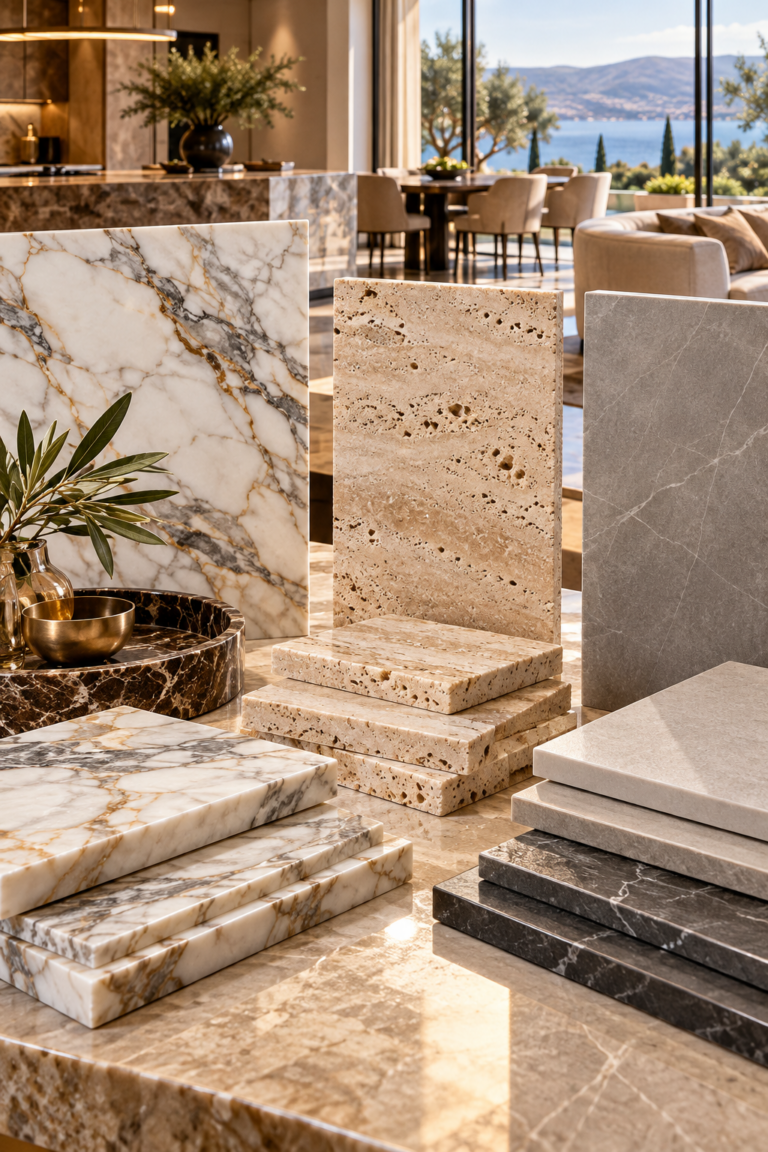
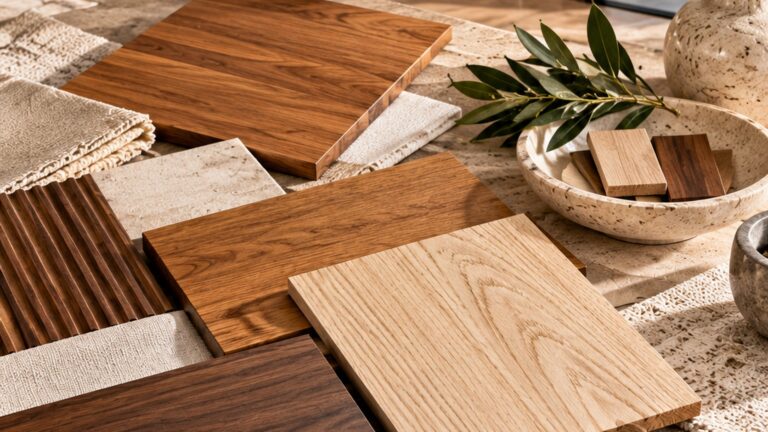
Consider combining a few complementary materials, such as natural wood, textured linen, ceramic, glass, or a stone finish. Contrast is useful: a smooth surface beside a woven textile can make both feel more distinctive.
Repeat some materials throughout the home to create continuity, but avoid making every surface identical. Variation in texture and finish helps prevent the interior from feeling flat.
You can also use different materials to distinguish functional areas without adding walls. For example, a textured rug can define a seating area within an open-plan living and dining space.
7. Invest in Smart, Attractive Storage
Clutter can make a small home feel considerably more crowded.
Plan storage around the objects you actually use. Closed cabinets can conceal everyday items, while open shelves are best reserved for selected books, ceramics, and personal pieces.
Furniture with integrated storage may help in bedrooms, entryways, and multipurpose rooms. Wall-mounted shelves can use vertical space, provided they are positioned safely and do not obstruct movement.
Avoid buying storage containers before deciding what needs to be stored. First sort belongings, identify frequently used items, and determine which storage arrangement is practical.
A refined room does not need to be empty. It needs enough organization for the important objects to remain visible without competing with everyday clutter.
8. Select Rugs and Curtains With Care
Soft furnishings help establish the scale and atmosphere of a room.
A rug that is too small can make a seating area feel disconnected. Where possible, choose a size that allows the main furniture to relate to it comfortably. The correct arrangement depends on the room’s dimensions and furniture layout.
Curtains can also influence the visual proportions of a space. A suitable length and placement can make a window feel more integrated with the wall, while the fabric’s weight and texture affect how much light enters the room.
Measure before ordering either item. Consider door clearances, heating vents, cleaning requirements, and how the fabric will behave in daily use.
For more detailed guidance, explore Casa Élite’s articles on choosing the right rug and selecting curtains for a luxury home.
9. Create One or Two Thoughtful Focal Points
A room feels more intentional when the eye has a clear place to rest.
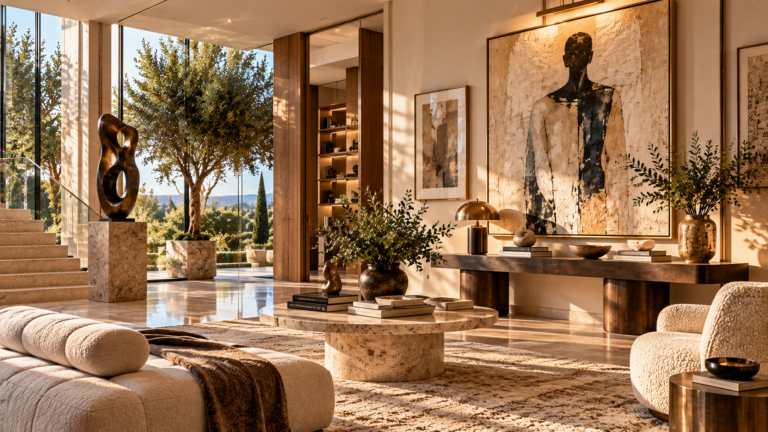
A focal point might be a piece of artwork, an interesting light fixture, a sculptural chair, or a carefully styled console. Choose something that relates to the room’s overall palette and proportions.
Avoid placing too many statement pieces in a small area. Several competing focal points can make the interior feel busy, even when each object is attractive on its own.
Personal items can be especially effective. A meaningful artwork, a ceramic object collected during travel, or a carefully chosen book can give a home character without requiring excessive decoration.
The aim is to create a space that reflects its occupants rather than a showroom filled with unrelated trends.
10. Edit the Room Before Adding More
One of the most effective ways to improve a small interior is to remove elements that do not serve a clear purpose.
Look at each room and ask whether every item contributes to comfort, function, storage, or visual interest. If several accessories perform the same decorative role, keep the strongest pieces and remove the rest.
Pay attention to surfaces such as coffee tables, bedside tables, kitchen counters, and entryway consoles. Leaving some space empty allows the remaining objects to stand out.
Editing does not mean removing personality. It means giving the objects you care about enough space to be appreciated.
Common Mistakes That Can Make a Small Home Feel Less Refined
Buying furniture before measuring
A piece may look ideal online but leave insufficient room for movement. Measure the room and check the product dimensions before ordering.
Using too many unrelated finishes
A mixture of colors, metals, wood tones, and textures can create visual noise. Choose a small group of complementary finishes and repeat them thoughtfully.
Treating every corner as a decorating opportunity
Not every empty surface needs an object. Leaving breathing room can help the home feel calmer and more functional.
Ignoring everyday needs
A beautiful interior will not feel luxurious if seating is uncomfortable, storage is inadequate, or lighting is unsuitable for daily tasks. Practical requirements should guide design decisions from the beginning.
Copying a large home’s design literally
Some layouts and furniture arrangements that work in spacious residences do not translate well to compact homes. Adapt the principles to your room’s scale rather than copying every element.
A Simple Plan for Getting Started
You do not need to redesign the entire home at once. Begin with the room that would benefit most from a better layout or improved organization.
First, measure the room and identify its main problems. Next, decide what should stay, what should be removed, and which changes would have the greatest impact. Establish a color palette and prioritize lighting, furniture proportions, and storage before purchasing decorative accessories.
If your budget is limited, make changes in stages. Rearranging furniture, decluttering surfaces, improving lighting, and updating textiles may be more useful starting points than replacing every major item.
Keep a record of measurements, paint samples, material choices, and planned purchases. This helps maintain consistency as you make improvements over time.
Frequently Asked Questions
Can a small home look luxurious on a limited budget?
Yes. A carefully planned layout, coordinated colors, good lighting, useful storage, and well-maintained furnishings can improve the overall feel of a home without requiring expensive renovations. Prioritize changes that solve real problems before buying decorative items.
Which colors make a small room feel larger?
Light, relatively consistent colors can help create a sense of openness, especially when they work well with the room’s natural light. However, no color guarantees that a room will appear larger. Test samples and consider the complete combination of walls, flooring, furniture, and lighting.
Is large furniture always a bad choice for small rooms?
No. One appropriately proportioned statement piece can work better than many small pieces. The important factors are its dimensions, visual weight, function, and the space remaining for movement.
How can I make a small living room feel more expensive?
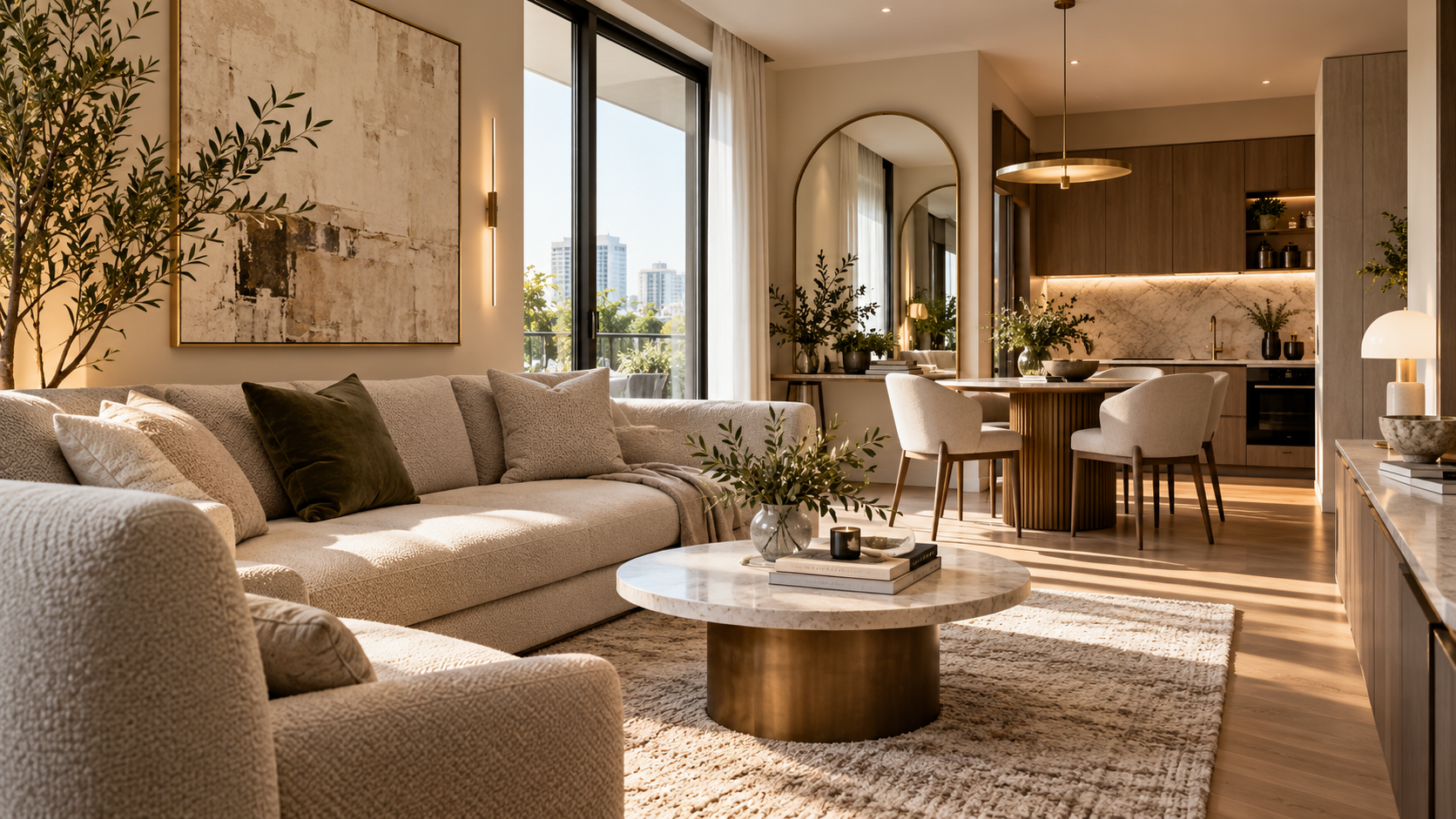
Start with a practical furniture layout, a cohesive palette, layered lighting, and a rug that relates to the seating arrangement. Add a few well-chosen accessories and keep everyday clutter organized. Comfort and proportion matter more than the number of luxury-branded objects in the room.
Should I use mirrors in a small home?
Mirrors can reflect daylight and create an impression of depth when positioned thoughtfully. Choose a location that reflects something pleasant, such as a window or an attractive architectural feature, rather than an area of clutter.
Final Thoughts
Making a small home look luxurious is less about its size and more about the quality of its design decisions. A clear layout, appropriately scaled furniture, coordinated materials, thoughtful lighting, and practical storage can make a compact space feel more comfortable and cohesive.
Start with the fundamentals, make changes deliberately, and allow the home to reflect your own needs and preferences. A refined interior should not only look beautiful in photographs; it should also support the way you live every day.
At Casa Élite, thoughtful luxury is about creating spaces where proportion, materials, light, and function work together.
Explore More Luxury Interior Design Ideas
Choosing the right furniture and finishes can make a significant difference in a compact space. Explore our guide to making a living room look expensive without overdecorating for more practical styling ideas.
Materials also influence the look and feel of a home. Read our comparison of marble, travertine, and porcelain to understand the differences between these popular finishes.
Thoughtful lighting can help create a comfortable and inviting atmosphere. Discover how to choose lighting for a luxury home for a room-by-room approach.