How to Design a Luxury Bedroom: Layout, Lighting, Bedding, and Color
A luxury bedroom is not defined by the price of its furniture or the number of decorative accessories it contains. The most inviting bedrooms feel considered from the moment you enter them. Furniture fits the room, lighting creates a comfortable atmosphere, bedding feels inviting, and colors work together without competing for attention.
The secret to successful luxury bedroom design is balance. A beautiful room should look refined while remaining practical enough for everyday life. It should support restful sleep, provide convenient storage, and reflect the personality of the people who use it.
Whether you are furnishing a new home or refreshing an existing bedroom, a few thoughtful decisions can make a meaningful difference. This guide explains how to approach bedroom layout, lighting, bedding, color, materials, and finishing details to create a space that feels timeless and comfortable.
Before choosing furniture or paint colors, consider how you move through the room. A well-planned layout makes a bedroom feel more spacious, organized, and comfortable.
Begin With a Thoughtful Bedroom Layout
Start by identifying the room’s main focal point. In many bedrooms, this is the bed, particularly when it is positioned against a solid wall. Where possible, arrange the bed so it is visually balanced within the room and easy to approach from both sides.
Measure the room before purchasing large furniture pieces. Include the dimensions of the bed, nightstands, dressers, wardrobes, and any seating you intend to add. Remember to account for doors, drawers, closet access, and walking paths.
A few useful layout principles include:
- Keep circulation comfortable. Avoid placing furniture where it obstructs doors or creates awkward routes around the bed.
- Choose appropriately sized nightstands. Their height should work comfortably with the mattress and their width should suit the available wall space.
- Preserve visual balance. Matching bedside tables and lamps can create symmetry, although coordinated pieces in different shapes can also work beautifully.
- Avoid overcrowding. A bedroom does not need a bench, accent chair, oversized dresser, and multiple side tables if the space cannot accommodate them comfortably.
In a smaller bedroom, prioritize the bed, essential bedside storage, and a clear route through the room. In a larger bedroom, a reading chair or compact upholstered bench may introduce another useful layer without making the space feel cluttered.
The best layout is not necessarily the one that includes the most furniture. It is the one that makes every piece feel intentional.
The bed is usually the largest and most visually important piece of bedroom furniture. Its proportions, shape, and materials influence the character of the entire space.
Select a Bed That Suits the Room
An upholstered headboard in linen-like fabric, textured neutral upholstery, or a softly padded finish can create a relaxed and sophisticated appearance. Natural wood introduces warmth, while a carefully detailed timber or metal frame may suit a more architectural interior.
Consider the room’s existing features before making a choice. A tall headboard can provide presence in a room with high ceilings, while a lower profile may feel more appropriate beneath a sloped ceiling or within a compact space.
Pay attention to these details:
- The bed should leave sufficient room for movement around it.
- The headboard should relate comfortably to the wall and surrounding furniture.
- Upholstery should be durable and suitable for the household.
- Bed-frame finishes should coordinate with, rather than necessarily match, other wood and metal elements.
- The mattress height should work with the nightstands and the overall proportions of the bed.
A dramatic bed can be a strong focal point, but it does not need elaborate carving or an oversized frame to look luxurious. Clean lines, good proportions, and well-chosen materials often create a more enduring result.
Build a Layered Lighting Plan
Lighting has a major influence on how a bedroom looks and feels. A single overhead fixture may provide general illumination, but it rarely creates the flexibility needed for reading, getting dressed, and relaxing in the evening.
A more effective approach combines several types of lighting.
Ambient lighting
Ambient lighting provides the room’s general illumination. Depending on the architecture, this might come from recessed ceiling lights, a central pendant, a chandelier, or concealed architectural lighting.
Choose a fixture that suits the room’s scale. An oversized chandelier can overwhelm a modest bedroom, while a very small fitting may look lost in a large space.
Bedside lighting
Bedside lamps or wall-mounted reading lights provide focused illumination where it is most useful. They can also introduce texture, shape, and a decorative finish near the headboard.
Before installing wall lights, consider the bed’s final position, mattress height, and how the lights will be operated. For shared bedrooms, individually controlled reading lights can be especially practical.
Accent lighting
Accent lighting can highlight artwork, architectural details, or a carefully styled corner. Concealed lighting may also be used in suitable joinery, provided it is planned to avoid visible glare and distracting reflections.
Choose the right light quality
For a relaxed evening atmosphere, warm-white lighting is often a comfortable choice. Many homeowners prefer bulbs around 2700K to 3000K, although the best option depends on the room, finishes, and personal preference.
Dimmers add useful flexibility, allowing the same room to feel brighter during morning routines and softer before bedtime. Check that the bulbs, fixtures, and dimmer controls are compatible.
A well-designed lighting plan should offer several comfortable settings rather than relying on one harsh, all-or-nothing source of light.
Choose a Bedroom Color Palette With Depth
Color establishes the emotional character of a bedroom. A palette can feel calm and understated, warm and enveloping, or dramatic and sophisticated depending on the shades and finishes you select.
There is no single color scheme that defines luxury. The most successful palette is one that suits the architecture, available daylight, existing furniture, and personal preferences.
Warm neutrals
Ivory, cream, sand, oatmeal, and warm taupe create a soft foundation. These colors work particularly well with natural wood, textured upholstery, and muted metallic accents.
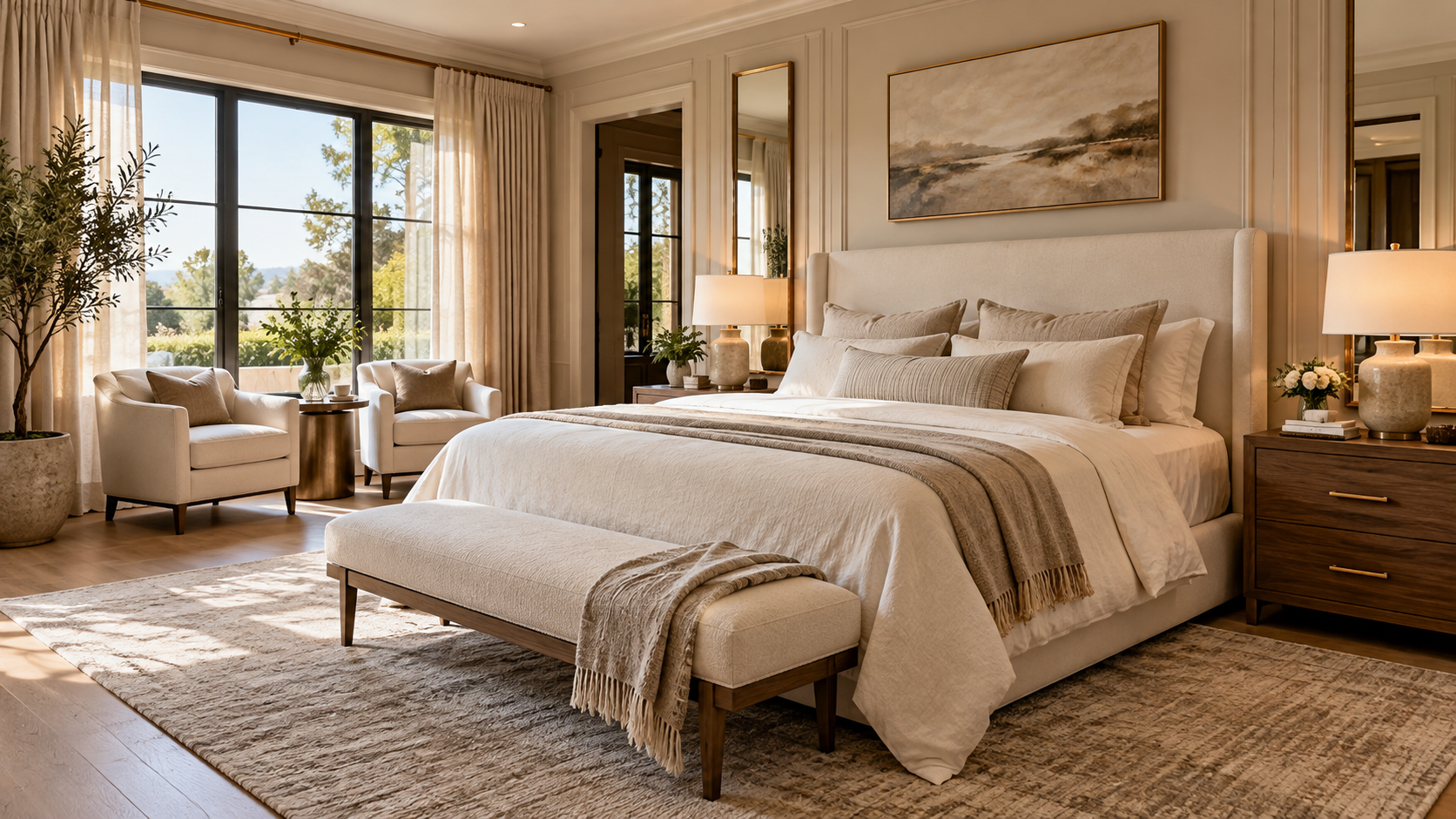
To prevent a neutral bedroom from looking flat, combine different textures and subtle variations in tone. Cream walls, a taupe upholstered headboard, ivory bedding, and a natural wood nightstand can create depth without introducing strong contrast.
Muted greens and blues
Soft sage, olive, dusty blue, and blue-gray can create a restful atmosphere while adding more character than a purely neutral palette.
These colors pair naturally with warm wood, linen-look fabrics, off-white bedding, and understated hardware. Test paint samples in the actual room before committing, as daylight and artificial lighting can change how a color appears.
Deep and dramatic colors
Charcoal, deep green, navy, and rich brown can make a bedroom feel intimate and architectural. They are particularly effective when balanced with suitable lighting, lighter textiles, or contrasting natural materials.
Dark walls do not automatically make a room feel smaller, but the result depends on room proportions, daylight, and the placement of furnishings. Sample the color on more than one wall and observe it at different times of day.
Use contrast intentionally
A restrained palette does not mean every surface must match. Contrast between matte and reflective finishes, light and dark textiles, or warm and cool undertones can make a room feel more considered.
Before choosing accessories, establish a small group of colors and repeat them selectively across the room. This creates visual continuity without making the design feel overly coordinated.
Invest in Comfortable, Well-Layered Bedding
The bed occupies a large area of the bedroom, so its appearance has a substantial effect on the finished design. Beautiful bedding is about both presentation and comfort.
Begin with sheets that feel pleasant against the skin and suit your preferred sleeping temperature. Cotton, linen, and other suitable bedding fabrics offer different characteristics, so consider the weave, weight, maintenance requirements, and climate rather than choosing by marketing claims alone.
Layer the bed in a way that feels natural:
- Start with a properly fitted sheet and comfortable sleeping pillows.
- Add a duvet or comforter appropriate for the season and your preferred warmth.
- Use a duvet cover or top layer that complements the room’s palette.
- Fold a lightweight coverlet or blanket near the foot of the bed if additional texture is desired.
- Finish with a limited selection of decorative pillows that remain easy to remove and store.
Mixing textures often produces a more interesting result than combining many patterns. Smooth cotton, relaxed linen, a fine woven blanket, and a softly textured cushion can create depth within a restrained color scheme.
Avoid adding so many pillows that preparing the bed becomes inconvenient. Two or three thoughtfully chosen decorative pieces may be enough, depending on the size of the bed and the look you prefer.
Bedding should also be easy to maintain. Check washing instructions, fabric durability, and whether the materials are suitable for regular use. An elegant bedroom is more successful when it remains comfortable and manageable after the photographs are taken.
Use Curtains to Frame the Bedroom
Window treatments influence privacy, daylight, softness, and the perceived height of a room. The right curtains can help connect the architecture with the bedding and furniture.
Where the window arrangement permits, mounting a curtain rod higher than the window frame and extending it beyond the sides can create a more generous visual effect. Measure carefully to ensure the curtains clear nearby furniture and do not interfere with window operation.
Consider the fabric according to the room’s needs:
- Linen and linen-look fabrics provide a relaxed, natural texture.
- Cotton blends can offer a versatile balance of appearance and practicality.
- Blackout-lined curtains help reduce incoming light when properly fitted, making them useful for bedrooms where darkness is important.
- Sheer curtains soften daylight while providing a degree of daytime privacy, depending on exterior conditions.
A separate blackout shade or layered window treatment may be preferable when you want both filtered daylight and better nighttime darkness.
Choose a color that complements the walls and bedding rather than competing with them. Curtains do not have to match the wall color exactly; a related shade or a subtle tonal contrast can feel more natural.
For more detailed guidance on fabric, length, lining, and hardware, see our guide to “choosing curtains for a luxury home” (https://casaeliteliving.com/luxury-curtain-guide/). If that address differs from your published curtain article’s final URL, use the correct live link before publishing.
Select Furniture for Function and Proportion
Luxury bedroom furniture should support daily routines as well as the overall design. A beautiful room becomes frustrating when there is nowhere convenient to store clothing, insufficient bedside space, or no practical place to sit.
Begin with the storage you genuinely need. A dresser, built-in wardrobe, or chest of drawers may be more useful than an additional accent table. If the room already has generous closet storage, avoid adding bulky furniture simply to fill an empty wall.
Look for consistency in scale and finish. Furniture does not need to come from one collection, but the pieces should relate through proportion, material, shape, or color.
For example, a softly upholstered bed can work with simple walnut nightstands and aged-brass reading lights. The pieces differ in material, yet their warm finishes and restrained lines create a cohesive result.
In a spacious bedroom, a small reading chair with a side table can establish a quiet place to relax. In a compact room, the same furniture may restrict circulation. Leave enough open floor area for the room to feel comfortable.
Built-in wardrobes can be particularly effective where storage needs are substantial. When planned carefully, they reduce visual clutter and make better use of wall space. Consider door swings, internal organization, lighting, and access before finalizing the design.
Introduce Natural Materials and Tactile Finishes
Material selection gives a bedroom its visual and physical character. A restrained palette becomes more compelling when different surfaces have distinct textures.
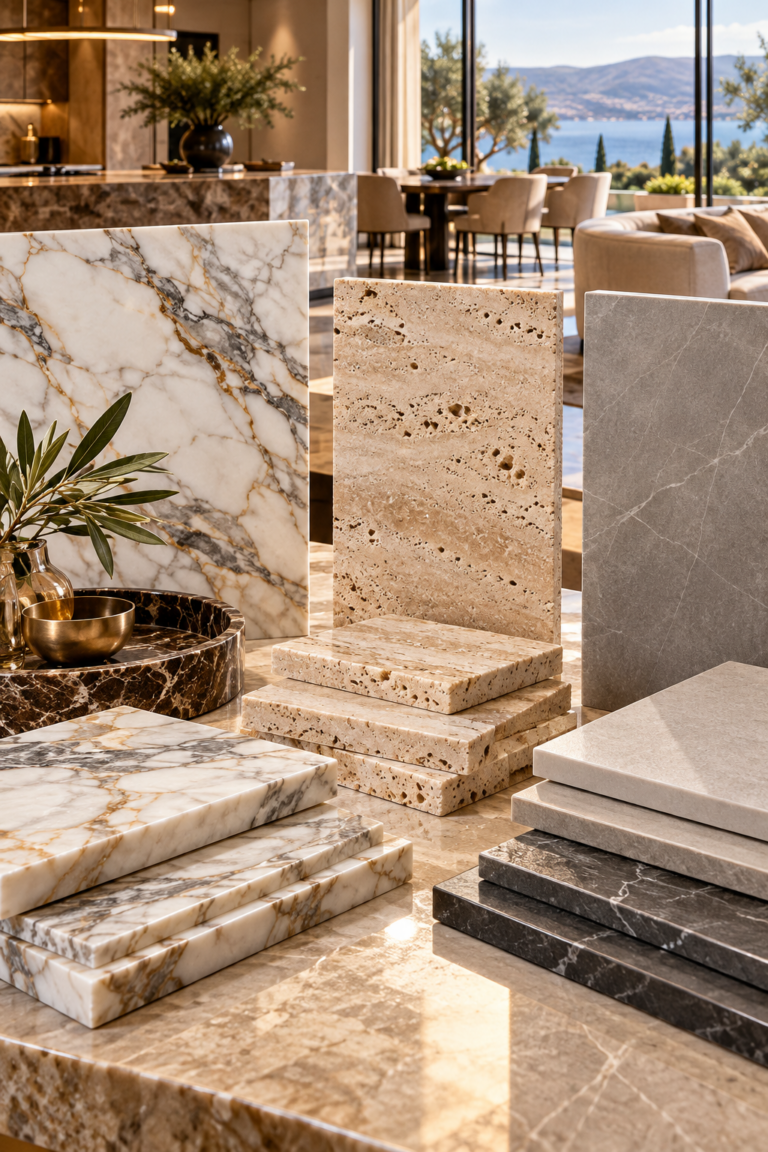
Natural wood can introduce warmth through flooring, nightstands, cabinetry, or decorative details. Stone may work well on a bedside table or a small architectural feature. Linen, wool, cotton, and other suitable textiles add softness.
The aim is to create contrast without introducing too many unrelated finishes.
For example, combine a matte painted wall with a textured headboard, a warm wood nightstand, and a softly woven rug. Each surface contributes something different while remaining part of a coherent design.
When choosing materials, consider maintenance and durability alongside appearance. Natural stone may require sealing and suitable cleaning products. Some fabrics are more vulnerable to staining or fading. Wood finishes differ in how they respond to scratches and moisture.
Use materials where they make practical sense. A beautiful finish that is difficult to maintain in everyday conditions may not be the best long-term choice.
Finish the Room With Rugs, Artwork, and Accessories
Finishing details help a bedroom feel complete, but they work best when selected after the layout, lighting, furniture, and main palette are established.
Choose an appropriately sized rug
A rug can soften the room, add warmth underfoot, and visually anchor the bed. The appropriate size depends on the bed dimensions, room layout, and the amount of floor you want visible.
A rug that is too small may look disconnected from the furniture. Before purchasing, mark out its intended dimensions on the floor with painter’s tape to check how it will sit around the bed and nearby furniture.
Hang artwork with intention
Artwork can introduce personality, color, or a focal point above a headboard or on an otherwise quiet wall. Consider the artwork’s scale relative to the furniture and leave enough visual breathing room around it.
One substantial piece can sometimes feel more composed than a collection of small items scattered across the wall. However, a carefully arranged gallery can also work when the room’s style supports it.
Edit decorative objects
A tray, a small vase, a favorite book, or a single sculptural object may be all a nightstand needs. Keep everyday essentials accessible and leave enough free space for practical use.
Mirrors can reflect daylight and help a room feel brighter, but their placement should be considered carefully to avoid unwanted glare from windows or lights.
Plants can bring natural color into a bedroom where suitable light and care are available. Choose varieties appropriate for the conditions and keep them away from areas where they could obstruct movement or be easily knocked over.
The objective is not to eliminate personal objects. It is to display the ones that matter while preserving a sense of order.
Make Storage Part of the Design
Visible clutter can undermine an otherwise beautiful bedroom. Storage planning helps the room remain visually calm without requiring constant rearrangement.
Use bedside drawers for frequently needed items, wardrobe organizers for clothing, and suitable baskets or boxes for smaller belongings. If the bed frame includes under-bed storage, check that it can be accessed easily and does not interfere with ventilation or cleaning.
For built-in cabinetry, consider the visual effect of door finishes and hardware. Matching the cabinetry to the wall color can make a large storage wall feel quieter, while natural wood can turn it into a deliberate design feature.
Keep the storage arrangement realistic. If an item is used daily, it should be easy to reach. Storage that is difficult to access tends to encourage belongings to accumulate on open surfaces.
A functional bedroom should accommodate the routines of its occupants, not simply conceal everything for appearances.
Avoid Common Luxury Bedroom Design Mistakes
A sophisticated bedroom is often the result of careful editing. A few common decisions can make a room less comfortable or less cohesive than intended.
Buying furniture before measuring the room. Large pieces may block circulation or make the layout feel crowded. Measure the room and map out furniture dimensions first.
Relying on one overhead light. A single bright source can create harsh shadows and limit how the room feels in the evening. Combine general lighting with bedside and accent lighting.
Using too many competing finishes. A mixture of unrelated wood tones, metals, patterns, and colors can make the room feel unsettled. Repeat a few key finishes and introduce variety through texture.
Choosing bedding for appearance alone. Beautiful bedding is not useful if it feels uncomfortable, traps too much heat, or requires care you cannot maintain. Prioritize comfort and practical upkeep.
Ignoring window treatment function. Curtains should suit the need for privacy, daylight control, and darkness as well as the overall design.
Overdecorating every surface. Too many accessories can reduce usable space and draw attention away from the room’s strongest features. Edit the arrangement and leave some surfaces clear.
Following trends without considering longevity. A bedroom is a substantial investment, so use durable foundations and introduce more changeable trends through smaller items such as cushions, throws, and artwork.
Forgetting everyday comfort. Poorly placed switches, insufficient bedside storage, or awkward walking paths can make a room frustrating despite its appearance. Resolve practical needs before adding finishing touches.
A Practical Luxury Bedroom Design Checklist
Before considering the project complete, review these essentials:
- The bed fits comfortably within the room.
- There is a clear route through the space.
- Nightstands and reading lights are positioned conveniently.
- The lighting can accommodate different activities and moods.
- The color palette works with the room’s daylight and existing finishes.
- Bedding is comfortable, practical, and easy to maintain.
- Curtains provide the required privacy and light control.
- Storage accommodates everyday belongings.
- Rugs, artwork, and accessories are appropriately scaled.
- Materials and finishes suit the household’s maintenance needs.
- The room feels personal without appearing overcrowded.
You do not need to complete every improvement at once. Start with the layout, lighting, and bedding, then address storage, window treatments, and decorative details according to your budget.
Casa Élite Perspective
At Casa Élite, we believe a beautifully designed bedroom should feel as good to use as it looks. Luxury is not simply a collection of expensive objects; it is the result of thoughtful proportions, comfortable materials, practical lighting, and details that work together.
A well-chosen bed, a balanced color palette, layered lighting, and bedding suited to your needs can transform the experience of a room without requiring a complete renovation. Thoughtful storage and carefully selected accessories help preserve that sense of calm long after the project is finished.
The most successful bedroom is one that reflects your preferences, supports your daily routines, and continues to feel welcoming over time.
Frequently Asked Questions
What colors make a bedroom look luxurious?
Warm neutrals such as ivory, cream, taupe, and sand are versatile choices. Muted greens, dusty blues, and deeper shades can also work beautifully. The best palette depends on the room’s lighting, finishes, and personal style.
How can I make my bedroom look luxurious on a budget?
Begin by improving the layout, decluttering visible surfaces, refreshing bedding, and adjusting the lighting. Well-fitted curtains, coordinated textiles, and a few carefully selected accessories can make a meaningful difference without replacing every piece of furniture.
What type of lighting is best for a luxury bedroom?
A combination of ambient lighting, bedside reading lights, and optional accent lighting offers flexibility. Warm-white bulbs and compatible dimmers can help create a comfortable evening atmosphere.
Does luxury bedroom design require matching furniture?
No. Furniture can differ in shape and material while still working together. Repeating a few finishes, maintaining balanced proportions, and using a coherent color palette usually matter more than buying matching sets.
How do I make a small bedroom feel more luxurious?
Choose appropriately sized furniture, preserve clear walking paths, use effective bedside lighting, and limit unnecessary accessories. Light colors can create an airy appearance, while carefully placed darker accents can add depth. Storage that keeps everyday belongings organized also helps the room feel more composed.
Is expensive bedding necessary for a luxury bedroom?
Not necessarily. Comfort, fabric quality, fit, and care requirements matter more than price alone. Choose bedding that feels good to sleep in, suits your climate, and maintains its appearance with appropriate care.
Final Thoughts
Designing a luxury bedroom is a process of making considered choices rather than adding more decoration. When layout, lighting, color, bedding, and storage work together, the room becomes more comfortable and visually cohesive.
Start with the elements that affect everyday use, make decisions according to your space and budget, and add finishing details gradually. The result can be a bedroom that feels refined, personal, and timeless without sacrificing practicality.