How to Make a Home Feel Warm and Inviting Without Losing Its Luxury
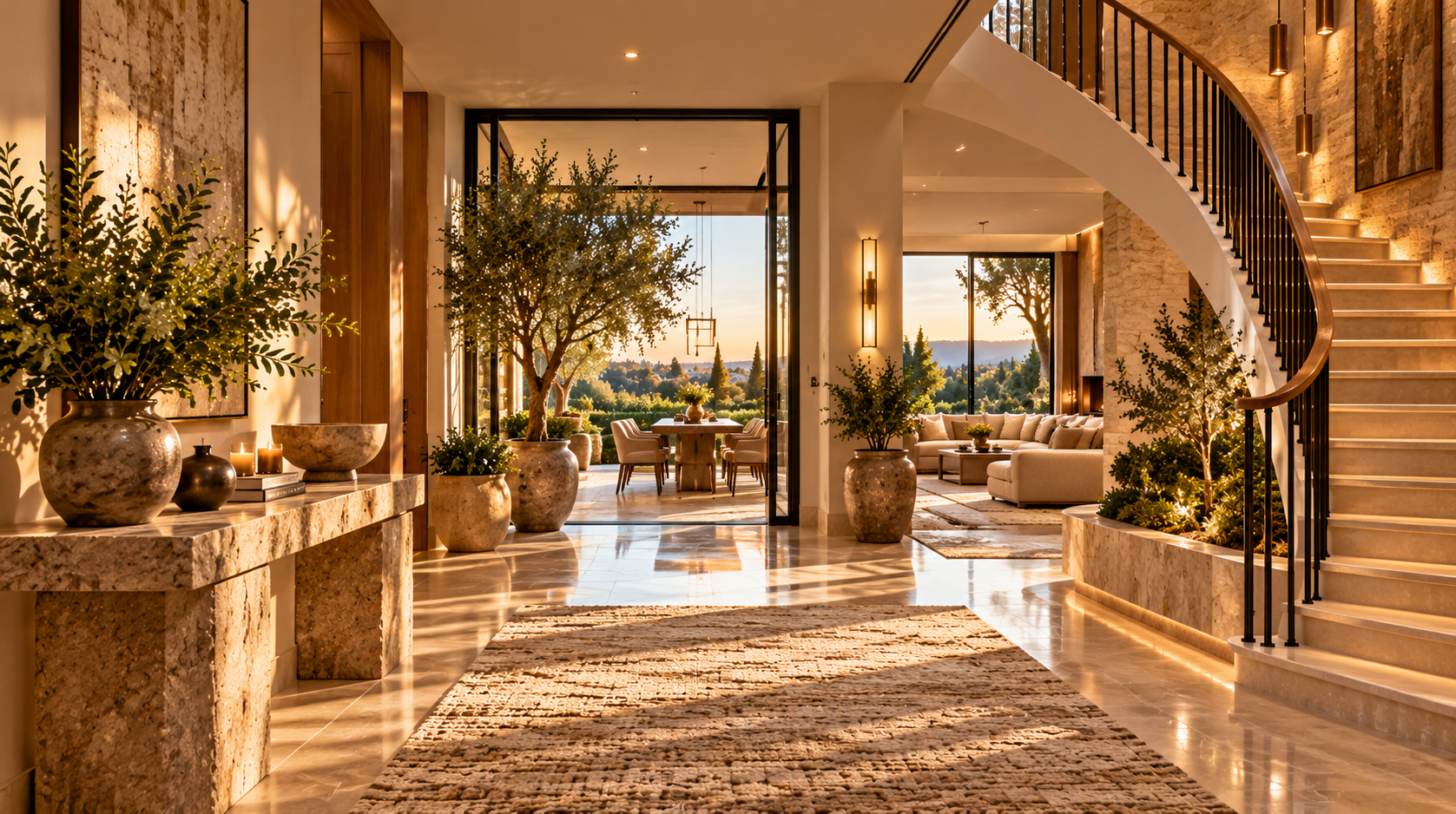
A luxurious home should do more than look beautiful. It should feel comfortable, welcoming, and personal from the moment you walk through the door. While polished stone, elegant furniture, and carefully selected finishes can create a sophisticated interior, warmth comes from how these elements work together.
The most inviting luxury homes balance refined design with natural materials, thoughtful lighting, tactile fabrics, and spaces that support everyday living. The goal is not to fill a room with decorative objects, but to create an atmosphere that feels considered and effortless.
Here is how to achieve that balance throughout your home.
1. Begin With a Warm, Balanced Color Palette
Color influences the atmosphere of a room before you notice its furniture or accessories. Cool whites and stark greys can feel crisp and contemporary, but using them everywhere may leave a space feeling impersonal.
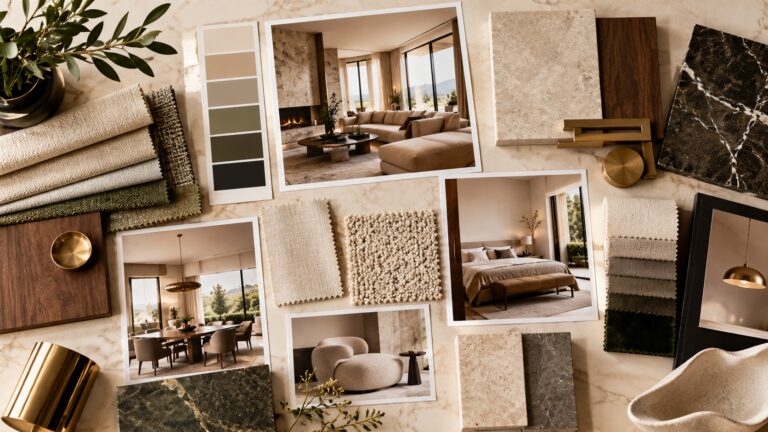
Consider a layered palette of warm white, ivory, sand, oatmeal, mushroom, soft taupe, or muted earthy tones. These shades provide a quiet foundation without making the interior feel heavy.
You do not need to eliminate cooler colors entirely. Instead, balance them with warm wood, textured upholstery, aged metal finishes, or soft lighting.
Design tip: Test paint samples at different times of day. Natural light can make the same color appear warmer in the afternoon and cooler in the morning.
2. Introduce Natural Materials
Natural materials bring visual depth and a sense of permanence to an interior. Wood, stone, linen, wool, leather, and handmade ceramics each contribute a different texture.
Walnut and oak can soften a room dominated by pale stone. Travertine can introduce subtle variation to a clean-lined interior. Linen curtains and wool upholstery help balance smooth surfaces with a more relaxed feel.
The key is to choose materials that complement one another rather than competing for attention.
For example, a room with a stone coffee table, a walnut side table, and a linen sofa can feel more layered than one in which every surface has the same finish.
3. Use Lighting to Shape the Atmosphere
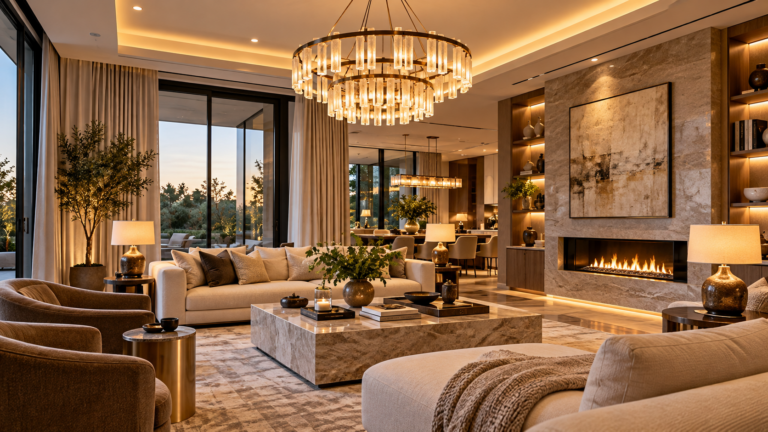
Lighting is one of the most effective ways to make a home feel welcoming. A single bright ceiling fixture may provide useful illumination, but it rarely creates the most comfortable atmosphere on its own.
Build a lighting plan around three layers:
- Ambient lighting: Provides general illumination throughout the room.
- Task lighting: Supports activities such as reading, cooking, or working.
- Accent lighting: Highlights artwork, architectural details, shelving, or selected objects.
Table lamps, floor lamps, wall lights, and concealed architectural lighting help distribute light at different heights. Where appropriate, dimmers allow the atmosphere to shift from bright daytime use to a quieter evening setting.
Choose light sources with a comfortable color temperature that suits the room and its finishes. Consistency matters: noticeably different light colors in adjoining areas can make an otherwise cohesive home feel disconnected.
4. Layer Textures Without Creating Clutter
A warm interior often feels appealing because it offers a variety of textures. Smooth stone, softly woven fabric, natural wood grain, brushed metal, and matte ceramics can create contrast without relying on bold colors.
Start with the larger surfaces: upholstery, curtains, bedding, and occasional furniture. Then add a smaller number of complementary details.
A textured cushion, a wool throw, or a handmade ceramic vessel can add character when each piece has room to breathe.
Avoid adding layers simply to make a room look fuller. Luxury is often expressed through restraint, quality, and the relationship between materials.
5. Choose Furniture That Encourages Conversation
Furniture arrangement affects how people experience a room. Even beautifully selected pieces can feel unwelcoming when they are too far apart or positioned only around a television.
In a living room, consider arranging seating so people can comfortably talk to one another. Allow enough space to move between furniture, and ensure that frequently used tables are within easy reach.
A generous sofa can be balanced with one or two lounge chairs, while a central table helps connect the seating arrangement. In larger rooms, separate seating areas can make the space feel more intimate without sacrificing openness.
Prioritize comfortable proportions and practical circulation over filling every available corner.
6. Make Windows Feel Softer
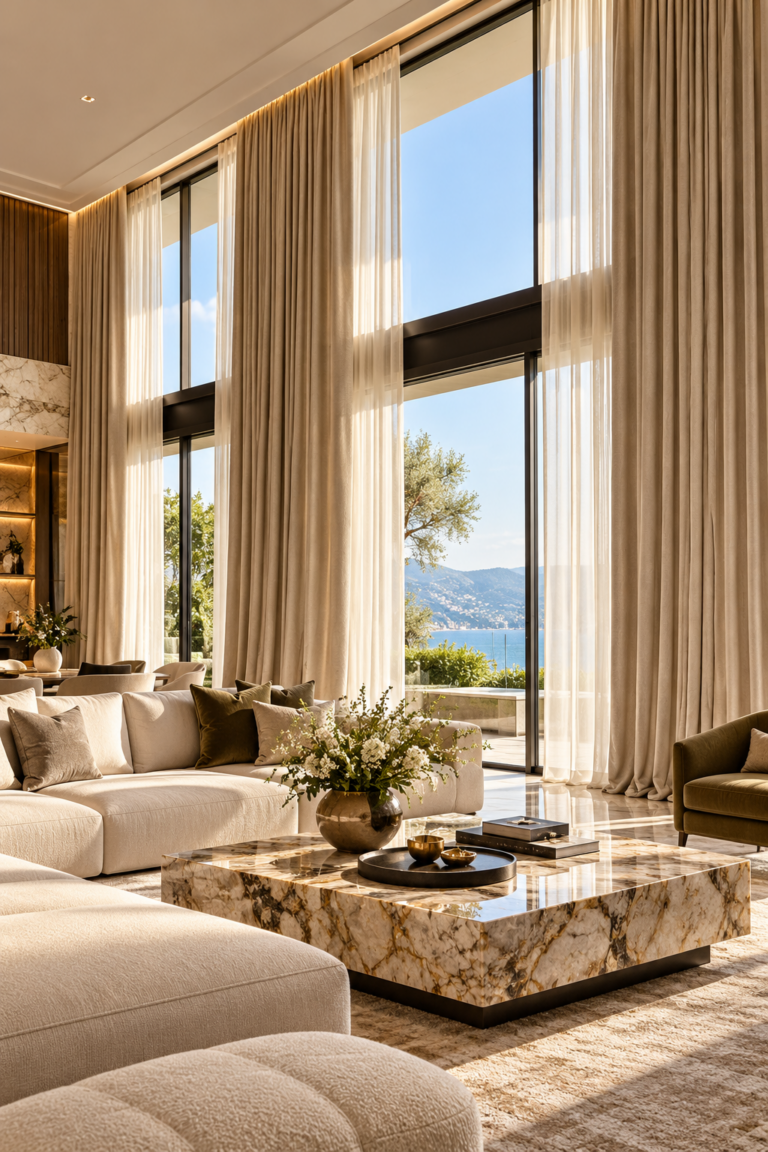
Window treatments influence both the appearance and comfort of a room. Bare windows can be appropriate in some architectural settings, but fabric treatments often introduce softness and help frame the view.
Linen, cotton blends, and other well-chosen curtain fabrics can filter daylight while adding subtle texture. For a more tailored look, consider the relationship between curtain length, fullness, hardware, and the height of the window.
Where privacy or light control is important, combine decorative curtains with suitable shades or lining.
The objective is to complement the architecture rather than hide it.
7. Bring Nature Indoors With Intention
Natural greenery and seasonal branches can make an interior feel more connected to the outdoors. A carefully placed plant, a simple arrangement of branches, or fresh flowers can introduce organic shapes that contrast with straight architectural lines.
Choose greenery according to the available light, humidity, and level of care you can realistically provide. A few healthy plants are generally more effective than many poorly maintained ones.
Containers matter, too. Stoneware, understated ceramic pots, and simple vessels can integrate greenery into the wider design scheme.
8. Display Personal Objects With Restraint
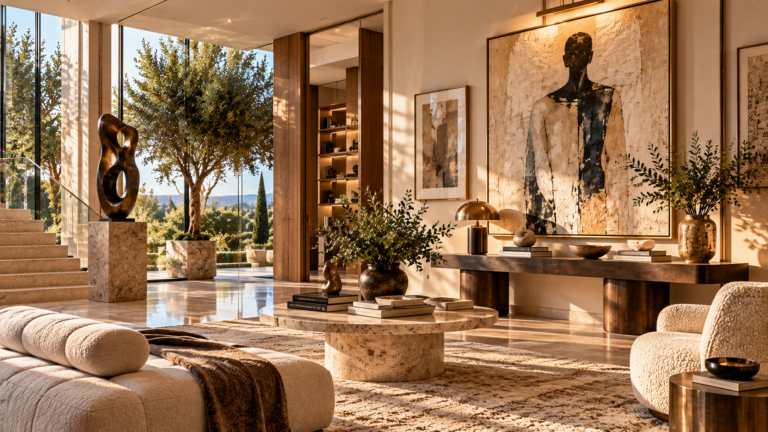
A welcoming home should reflect the people who live in it. Carefully chosen books, meaningful artwork, travel finds, and objects with personal significance give an interior character that cannot be achieved through finishes alone.
Rather than displaying everything at once, edit collections and create small, intentional groupings. Vary heights and shapes while allowing empty space around the objects.
Artwork can also introduce warmth through subject matter, color, and scale. Select pieces that relate to the room without making every element match perfectly.
The aim is a home that feels personal and collected, not staged.
9. Pay Attention to Sound, Comfort, and Everyday Use
Visual design is only one part of a welcoming atmosphere. Hard surfaces can make some rooms feel acoustically sharp, especially in open-plan spaces with stone flooring, glass, and high ceilings.
Curtains, upholstered furniture, fabric panels, and well-placed textiles can help reduce reflections and make a room feel more comfortable.
Consider practical details as well: convenient lighting controls, comfortable seating, clear walkways, useful storage, and surfaces that are easy to maintain. A beautiful room becomes more luxurious when it works well in daily life.
10. Keep the Space Edited and Easy to Maintain
Warmth does not require excess decoration. Too many accessories, competing patterns, and unnecessary furniture can make a room feel crowded rather than inviting.
Review each room and ask whether every major piece contributes to comfort, function, or visual balance. Keep frequently used surfaces practical, group smaller objects thoughtfully, and leave some areas intentionally clear.
Choose materials and finishes that suit your household and maintenance preferences. A refined interior should support the way you live, not demand constant effort to remain presentable.
Common Mistakes That Can Make a Luxury Home Feel Cold
A few design choices can undermine an otherwise beautiful interior:
- Relying on one overhead light source for every activity.
- Using only hard, reflective finishes without softer counterpoints.
- Selecting furniture for appearance while ignoring comfort and scale.
- Filling every surface with accessories.
- Choosing colors without testing them in the room’s actual lighting.
- Prioritizing formal presentation over everyday usability.
Correcting even one or two of these issues can make a noticeable difference.
A Simple Checklist for a More Inviting Home
Before adding anything new, consider the following:
- Does the room have a balanced, comfortable color palette?
- Are natural and tactile materials used thoughtfully?
- Is lighting layered for different activities and times of day?
- Can people sit comfortably and move around easily?
- Do curtains, upholstery, or other textiles soften the space where needed?
- Are personal objects displayed with intention?
- Is the room practical to use and maintain?
You do not need to change everything at once. Begin with the area that feels least comfortable and make gradual improvements.
Frequently Asked Questions
How can I make a luxury home feel cozy without making it look cluttered?
Focus on a few high-impact elements: warm lighting, natural materials, comfortable seating, and tactile fabrics. Keep decorative objects selective and allow space around important pieces.
Which colors make a home feel warm and inviting?
Warm whites, ivory, sand, taupe, oatmeal, and muted earthy shades can create a welcoming foundation. The best choice depends on natural light, existing finishes, and the mood you want to achieve.
Does a luxury interior need expensive furniture to feel inviting?
No. Comfort, proportion, thoughtful lighting, and material coordination often matter more than price alone. A carefully arranged room with a restrained palette can feel refined without replacing every piece of furniture.
What is the easiest first change to make?
Review the lighting. Adding a well-positioned table lamp or floor lamp, using suitable warm-toned bulbs, or introducing dimmable lighting can improve the atmosphere without a major renovation.
Final Thoughts
A warm and inviting luxury home is created through thoughtful decisions rather than excess. Balanced colors, natural materials, layered lighting, comfortable furniture, and meaningful personal details help create rooms that feel sophisticated yet easy to live in.
At Casa Élite, the guiding principle is simple: refined design should support comfort as much as appearance. When every element has a purpose and the overall space feels harmonious, luxury becomes something you experience every day—not just something you see.