The Art of Mixing Wood Tones in a Luxury Home
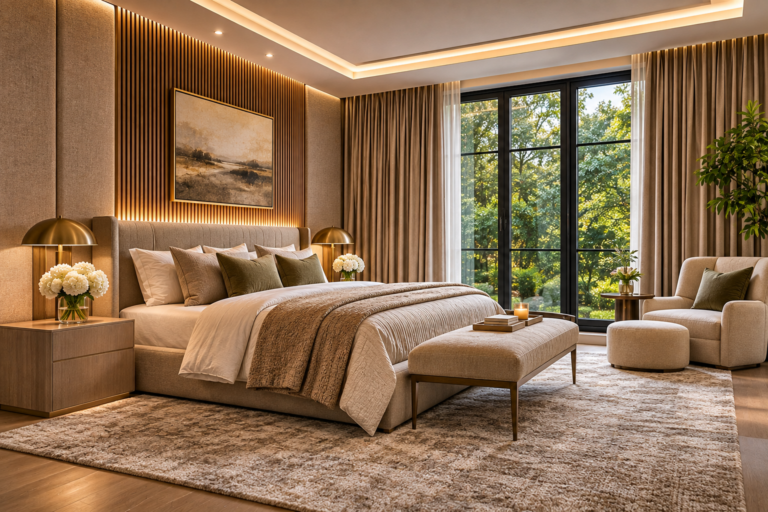
A beautifully designed home does not need every wooden surface to match. In fact, interiors that rely on a single wood finish can sometimes feel overly coordinated or lack visual depth. The most sophisticated spaces often combine different wood tones to create a more layered, natural, and considered atmosphere.
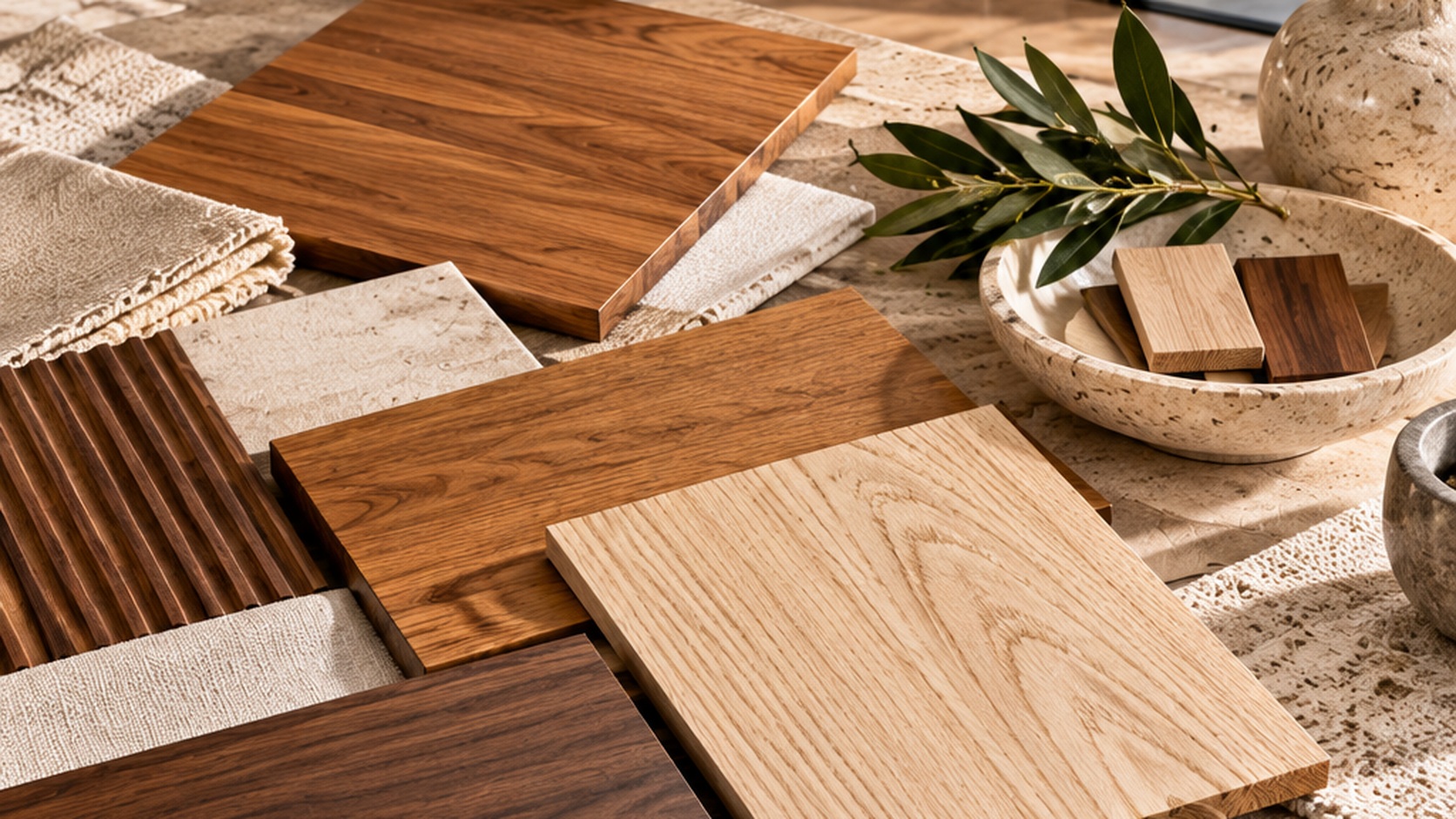
From pale oak flooring and rich walnut furniture to warm teak accents and carefully selected timber cabinetry, mixing wood finishes can bring character to a home without making it feel visually busy.
The secret is not to combine as many shades as possible. It is to understand how different woods relate to one another through their undertones, grain patterns, proportions, and placement.
Whether you are furnishing a new home or refreshing an existing interior, these principles can help you create a balanced and timeless result.
1. Start With the Most Dominant Wood Tone
Before introducing additional finishes, identify the wood tone that already occupies the largest visual area in the room.
This is usually the flooring, but it may also be a large wall treatment, built-in cabinetry, or exposed ceiling beams.
Treat this finish as your starting point rather than something that needs to be matched exactly.
For example, if a room has pale natural-oak flooring, you could introduce deeper walnut furniture to create contrast. If the flooring is a medium-toned timber, lighter ash or darker smoked-oak accents may provide visual variation.
The goal is to establish a clear foundation before adding other finishes.
Choosing the right materials is equally important when creating a balanced interior. Explore our guide to marble, travertine, and porcelain to understand how natural and engineered surfaces complement different wood finishes.
2. Understand Warm, Cool, and Neutral Undertones
Wood tones are not defined by darkness or lightness alone. Their underlying colours have an equally important influence on how they look together.
Warm undertones often include golden, honey, reddish, or amber qualities. Oak, teak, and some walnut finishes can display these characteristics.
Cool undertones may have subtle grey, muted brown, or slightly ashy qualities. Certain ash and weathered timber finishes fall into this category.
Neutral undertones sit between these extremes and can be easier to combine with a wider range of materials.
For a harmonious interior, pay attention to undertones before selecting furniture or cabinetry. Two woods can have very different depths while still working beautifully together if their underlying colours feel compatible.
3. Create Contrast Through Light and Dark Finishes
One of the simplest ways to combine wood tones is to introduce a deliberate difference in depth.
A light timber surface can make a darker finish feel more defined, while a rich brown wood can give a pale interior greater visual weight.
Consider combinations such as:
- Natural oak flooring with walnut dining furniture.
- Light ash cabinetry with a darker timber dining table.
- Smoked oak shelving against warm, pale timber wall panels.
- A medium-toned timber floor with a darker walnut console.
Contrast should feel intentional rather than random. Avoid introducing several unrelated dark finishes in small, scattered areas, as this can make the room feel fragmented.
Instead, repeat an important darker or lighter finish in at least one additional element to create a sense of continuity.
4. Limit the Number of Dominant Wood Finishes
Although mixing wood tones adds depth, too many competing finishes can make a room feel unsettled.
A useful starting point is to select two or three principal wood tones for a space:
- One dominant finish for flooring or large architectural elements.
- One secondary finish for substantial furniture or cabinetry.
- One accent finish for smaller decorative details.
This is a flexible design guideline, not a strict rule. A larger home with several connected spaces may accommodate more finishes, provided the overall palette remains coordinated.
The important distinction is between variety and visual clutter.
5. Use Furniture to Introduce a Different Wood Tone
Furniture offers an opportunity to experiment without making permanent changes to the architecture.
A walnut coffee table, an oak dining table, or a dark timber sideboard can introduce contrast into a room with an existing wood floor.
When selecting furniture, consider both its finish and its visual weight.
A large dining table in a deep wood tone will have a stronger presence than a small wooden tray. The larger the piece, the more carefully its colour should relate to the surrounding finishes.
Also consider the shape and detailing of the furniture. Clean-lined pieces can help different timber finishes feel connected, even when their colours are noticeably different.
6. Pay Attention to Wood Grain and Texture
Colour is only one part of a wood finish. Grain pattern and surface texture also influence how different pieces work together.
A timber with pronounced grain can create a strong visual statement, while a more subtle grain may feel quieter and more architectural.
For a refined result, avoid placing several highly patterned wood surfaces directly beside one another.
Instead, balance expressive grain with quieter finishes. For example, a dining table with distinctive natural grain may work particularly well alongside simpler cabinetry with a restrained finish.
Matte and lightly textured surfaces can also help create a more natural appearance than a collection of highly reflective finishes.
Texture plays an important role in creating a cohesive interior. Our guide on choosing the right rug for every room explains how material, texture, and proportion influence the overall look of a space.
7. Connect Different Woods With Upholstery and Natural Materials
Not every transition between wood finishes needs to be solved with another wood element.
Soft furnishings and natural materials can help different timber tones feel connected.
Consider introducing:
- Linen upholstery in warm ivory or oatmeal.
- Wool rugs in muted natural shades.
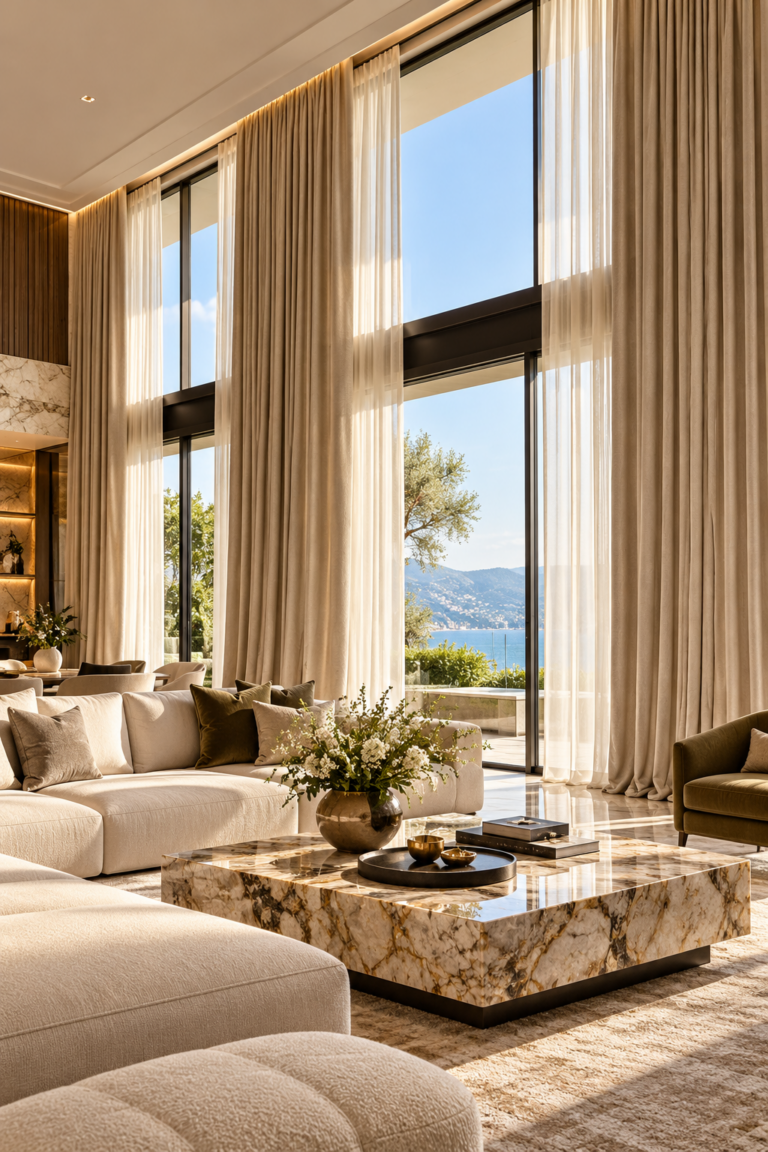
- Stone surfaces with subtle beige or grey veining.
- Leather accents in cognac or deep brown.
- Woven details made from natural fibres.
These materials create visual breathing space between wooden elements.
For example, a walnut side table and a light oak floor may feel more cohesive when paired with a neutral upholstered sofa and a textured wool rug.
The supporting palette should complement the wood rather than compete with it.
For more ideas on creating a refined and balanced living space, read our guide on making a living room look expensive without overdecorating.
8. Repeat Each Important Wood Tone With Intention
A finish can feel out of place when it appears only once in a room.
Repeating a wood tone in another location helps it become part of the overall design.
If you introduce walnut through a console table, you might echo that finish in a smaller frame, shelving detail, or carefully selected accessory.
The repetition does not need to be exact. A related shade or timber with a compatible undertone can create a similar sense of continuity.
However, avoid repeating every finish everywhere. A little variation is what gives a thoughtfully designed interior its character.
9. Consider the Relationship Between Wood and Lighting
Lighting can significantly change how timber appears.
Natural daylight, warm artificial lighting, and cooler light sources can make the same wood finish look different throughout the day.
A warm oak surface may appear golden in afternoon sunlight, while a darker walnut finish may look richer under soft evening lighting.
Before finalising a wood palette, examine samples in the actual room whenever possible.
Check them:
- In natural daylight.
- In the evening under the intended lighting.
- Beside the flooring and existing furniture.
- Next to the fabrics, stone, and wall colours you plan to use.
This simple step can prevent costly mismatches and help you understand how the materials will look together in everyday conditions.
Lighting can transform the appearance of natural materials. Discover more in our guide to choosing lighting for a luxury home.
10. Test Wood Samples Before Making Final Decisions
Photographs and online product images are useful for inspiration, but they cannot always represent a timber finish accurately.
Screen settings, photography, surface treatments, and lighting conditions can all influence how a wood tone appears.
Whenever possible, request physical samples before purchasing flooring, cabinetry, or major furniture pieces.
Place the samples together in the room rather than evaluating them separately.
Look at the overall combination from different distances. A finish that looks attractive on its own may feel too strong beside another material.
Taking time to test the palette helps ensure that the final interior feels cohesive rather than assembled from unrelated choices.
Common Mistakes to Avoid When Mixing Wood Tones
Even a carefully selected palette can become unbalanced if the finishes are introduced without considering the wider room.
Here are some common mistakes to watch for:
Trying to match every wooden surface: Exact matching is not essential. A thoughtful contrast often creates a more natural and layered result.
Ignoring undertones: Two finishes may have similar darkness but noticeably different underlying colours. Check how their undertones interact.
Using too many statement grains: Several strong grain patterns competing in one space can create unnecessary visual activity.
Forgetting the surrounding materials: Wall colours, upholstery, flooring, stone, and lighting all influence how wood finishes appear.
Choosing finishes from photographs alone: Always check physical samples when making important material decisions.
Final Thoughts
Mixing wood tones is less about following a rigid formula and more about creating a thoughtful relationship between materials.
A successful interior may combine pale oak, deep walnut, natural teak, or muted ash, but each finish should have a clear purpose within the overall composition.
Start with the dominant wood tone, introduce contrast carefully, consider undertones, and use textiles and natural materials to connect the different finishes.
When these elements work together, the result feels layered, warm, and quietly luxurious.
At Casa Élite, we believe that the most memorable interiors are not defined by perfect matching. They are defined by thoughtful material choices, balanced proportions, and details that feel naturally connected.